Blog

China Top 10 OptiFlex Laser Cutting System Suppliers?

China Top 10 OptiFlex Laser Cutting System Suppliers?

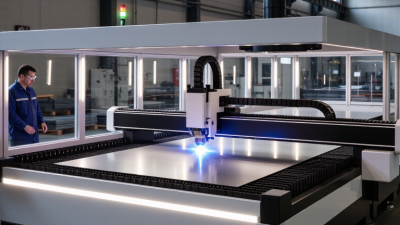
China’s laser-cutting market has expanded rapidly, yet supplier quality varies sharply. This makes a careful review of the China Top 10 OptiFlex Laser Cutting System suppliers valuable for manufacturers, engineers, and purchasing teams. The list should examine machine stability, cutting accuracy, service coverage, software compatibility, and long-term operating costs. Dr. John Powell, a respected laser-processing specialist and author of several technical works, has stated, “The laser is a tool, not a magic wand.” This practical warning remains relevant. A powerful source cannot compensate for poor beam alignment, unstable gas pressure, weak nesting software, or inadequate operator training. In a factory, these issues appear clearly: rough stainless-steel edges, heat marks on thin sheets, and unexpected production pauses. This introduction does not treat “top” as a simple popularity contest. It considers manufacturing experience, documented performance, technical support, safety practices, and customer feedback. It also recognizes that one supplier may excel with carbon steel, while another performs better with aluminum or high-volume fabrication. The ranking should therefore support comparison, not replace technical audits or sample cutting tests. There is no perfect supplier. Readers should verify certifications, warranty terms, spare-part availability, installation response times, and actual cutting results before purchasing. Some public claims may be incomplete. That deserves reflection. A reliable OptiFlex Laser Cutting System supplier should explain limitations openly, provide measurable specifications, and demonstrate consistent results under realistic workshop conditions.
Read more »

Ethan By:Ethan - September 20, 2026
Top 10 Large Format CO2 Laser Cutters for Global Buyers

Top 10 Large Format CO2 Laser Cutters for Global Buyers

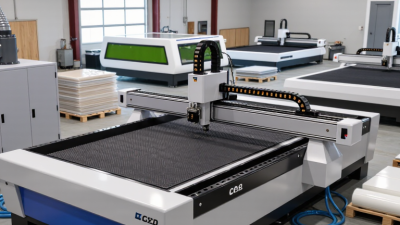
Choosing a Large Format CO2 Laser Cutter is not simply a matter of comparing wattage and bed size. Global buyers need to examine cutting accuracy, tube life, cooling systems, software stability, and after-sales support. A machine may advertise a large working area, yet its frame can vibrate during long cuts. That detail matters when processing full sheets of acrylic, plywood, fabric, or approved non-metallic materials. This guide reviews ten large-format models from a practical purchasing perspective. It considers power options, usable workspaces, motion systems, exhaust design, safety features, and maintenance access. Each factor affects daily production. For example, a poorly positioned water chiller can turn routine tube maintenance into a frustrating task. Reliable manufacturers should provide clear manuals, responsive technical support, and documented safety information. Certifications also deserve careful checking in the buyer’s destination market. No single cutter suits every workshop. Some models offer impressive speed but require more frequent alignment. Others provide stronger construction but cost more to ship and install. Published specifications are useful, but they do not replace sample testing. Material quality, lens condition, operator experience, and local voltage can change results. That is an important limitation. Buyers should request test cuts, confirm warranty terms, calculate installation costs, and inspect spare-parts availability before committing. The ranking aims to support informed decisions, not promise a perfect machine. Practical evidence remains more valuable than attractive brochures.
Read more »
Ethan By:Ethan - September 20, 2026
What Is the Best China Sheet Metal Fiber Laser Cutter?

What Is the Best China Sheet Metal Fiber Laser Cutter?

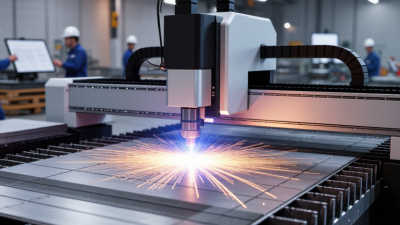
Choosing the best China Sheet Metal Fiber Laser Cutter requires more than comparing laser power or purchase prices. A practical buyer examines cutting accuracy, source stability, machine structure, software, safety systems, and local technical support. The right machine should match your daily materials, thickness range, production speed, and workshop conditions. David A. Belforte, a respected industrial laser analyst and editor, has emphasized a useful principle: “The best laser is the one that fits the application, not the one with the highest power.” This idea remains important when evaluating Chinese equipment. A 3 kW machine may handle stainless steel sheets efficiently, while a 6 kW model could be excessive for a small fabrication shop. Test cuts matter. Request samples using your actual mild steel, aluminum, or stainless steel grades. Inspect edge smoothness, corner quality, piercing marks, and dimensional accuracy. Look beyond the cutting head. Check the fiber laser source, motion system, nesting software, fume extraction, and replacement-part availability. Ask whether engineers provide installation training and remote diagnosis. These details affect real productivity after delivery. A low quotation can hide expensive downtime. There is no perfect machine. Some specifications remain unclear until production begins. Even experienced buyers can overlook gas consumption or maintenance access. That is why a careful comparison should include verified test results, customer references, warranty terms, and a written service response time. The strongest choice is not always the fastest machine. It is the one that cuts consistently, fits your workflow, and remains supportable for years.
Read more »
Ethan By:Ethan - September 20, 2026