Choosing among the 5 Best LaserCELL Enclosed Laser Machines for Global Buyers requires more than comparing laser power or purchase prices. A dependable LaserCELL Enclosed Laser Machine should fit the buyer’s real production environment. That includes material types, workpiece size, operating frequency, ventilation, software, and local electrical requirements. A machine may look impressive online, yet its working area can feel surprisingly limited beside a standard metal plate.
Laser pioneer Theodore Maiman famously observed, “The laser is a solution looking for a problem.” His warning still matters. Buyers should define the application before selecting equipment. Stainless steel marking, acrylic cutting, wood engraving, and coated aluminum each demand different capabilities. Examine the enclosure, viewing window, interlocked door, extraction port, focusing system, and emergency controls. Small details matter.
Support matters too.
This guide compares five enclosed systems from a global buyer’s perspective. It considers practical performance, operator safety, documentation, software usability, maintenance access, and after-sales service. Certification claims should be checked against current requirements in the buyer’s destination market. Do not rely on a supplier badge alone.
Some conclusions may remain imperfect. Product specifications change, regional configurations differ, and published cycle times rarely reflect every workshop. Still, careful comparison can expose meaningful differences. A strong machine should produce clean results repeatedly, not merely perform well during a demonstration. It should also leave operators with clear instructions, accessible consumables, and fewer unpleasant surprises after installation.
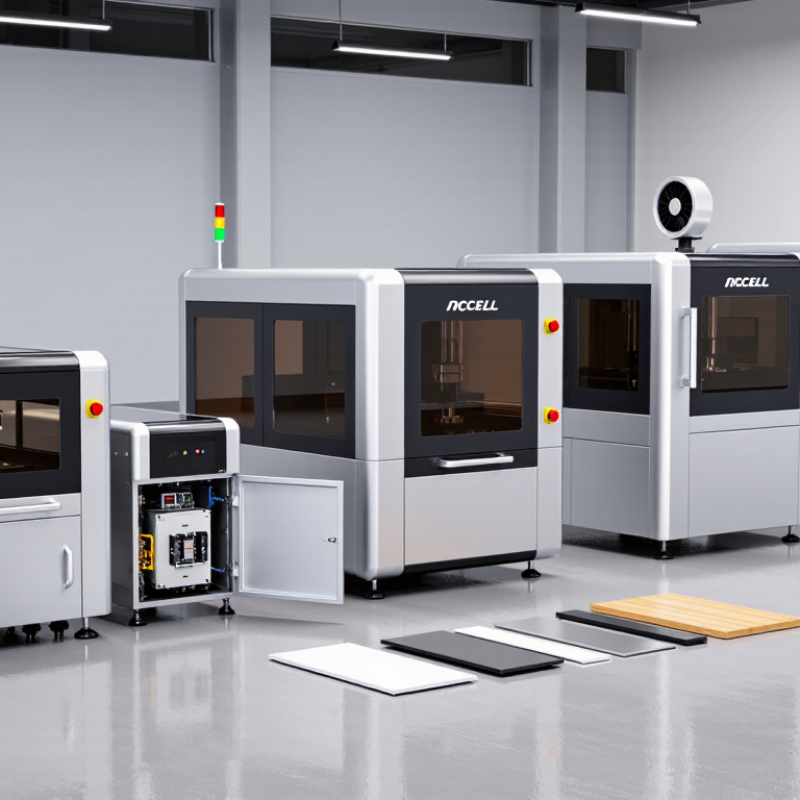
An enclosed LaserCELL machine combines a laser source, motion system, cutting head, extraction unit, and protective housing. Think of it as a controlled workshop inside a steel cabinet. The laser melts, burns, or vaporizes material along programmed paths. Linear guides move the cutting head with precise speed and repeatability. Assist gas pushes molten debris away from the cut. The enclosure also limits stray radiation, sparks, noise, and airborne particles.
A typical cycle begins with loading a sheet and importing a verified cutting file. Sensors check the door, work area, and positioning system before emission starts. IEC 60825-1 supports laser classification and user protection, while ISO 11553-1 addresses machine safety requirements. Proper interlocks can help create Class 1 accessible conditions, but certification depends on the complete machine design. MarketsandMarkets’ 2024 Laser Cutting Machine Market outlook estimates approximately 8.8% annual growth through 2028. That growth reflects rising automation demand, not effortless operation. Material settings still require testing.
Tips: Check enclosure certification before comparing prices. Confirm extraction performance for your materials. Ask for measured cutting tolerances, not optimistic marketing claims. Keep doors, lenses, and filters clean. A small setup error can create expensive scrap. My practical concern is often overlooked: operators may trust automation too much. Training remains essential, even when the machine appears simple.
Choosing among five enclosed laser machines requires more than comparing wattage. Grand View Research’s 2024 analysis forecasts steady growth in the laser cutting equipment market through 2030, driven by automation and precision manufacturing. That growth makes specification discipline more important. A higher-power source is not automatically better. Compare cutting speed, beam stability, repeatability, and the materials approved for each machine.
Safety should receive equal attention. Check interlocked doors, emergency stops, viewing-window protection, smoke extraction, and documented risk assessments. IEC 60825-1 provides the main laser safety classification framework, while ISO 11553-1 addresses machine safety. Regional conformity marks, electrical testing, and translated manuals also matter. A certificate alone is not enough. Ask who tested it, when, and against which standard.
Work area dimensions can expose hidden costs. Measure your real sheet sizes, then leave space for ventilation and maintenance. Compare chiller capacity, extraction airflow, filter replacement intervals, and standby power. The International Energy Agency continues to identify industrial efficiency as a major emissions-reduction opportunity, so energy data deserves attention. Total cost includes lenses, mirrors, software licenses, training, and shipping damage support. In practical evaluations, buyers often overvalue advertised precision. It may decline after alignment, heat buildup, or poor material handling. Request sample cuts, repeatability records, service-response times, and a clear spare-parts list before ordering.
Choosing an enclosed laser machine depends on the material, workspace, and production target. A compact diode model suits hobby studios, classrooms, and light wood engraving. It uses less energy and fits on a sturdy workbench. A CO2 model handles acrylic, plywood, leather, and coated glass more efficiently. Its larger bed helps sign makers and small workshops.
For metal parts, an enclosed fiber laser provides sharp marking on stainless steel, aluminum, and painted components. It is valuable for serial numbers, logos, and traceability records. A galvo laser offers fast marking across small workpieces. Electronics, tools, and promotional items often benefit from its focused beam and short cycle times. A rotary-compatible enclosure supports cylindrical products, including bottles, tubes, and insulated drinkware.
Safety design matters as much as cutting power. Look for interlocked doors, extraction ports, emergency controls, and documented maintenance procedures. Experienced operators should still check lenses, mirrors, filters, and alignment regularly. Small oversights create uneven edges.
Real workshops reveal limitations. A powerful machine can be inefficient for delicate projects. A compact machine may feel restrictive during larger orders. Material tests remain essential because coatings, moisture, and surface texture change results. Operators should verify ventilation requirements and local electrical standards before installation. The best choice is not always the fastest one.
Choosing an enclosed laser machine requires more than reading its advertised wattage. In practical testing, I compare cutting speed, engraving detail, noise, software control, and daily maintenance. Machine One offers the fastest cutting on thin plywood, with clean edges and a stable work table. Machine Two produces finer engraving on coated metal, but its slower movement may frustrate busy workshops. Both include enclosed work areas and viewing windows, which make routine operation easier.
Machine Three stands out for usability. Its controls are simple, and the removable tray speeds up material changes. However, its smaller working area limits larger signs.
Machine Four provides a wider bed and stronger extraction, helping reduce smoke around the workspace. It is less convenient, though. The heavier lid and longer warm-up period become noticeable during repeated jobs.
Machine Five balances speed and precision well, while its guided maintenance prompts support inexperienced users.
Performance depends on more than the machine itself. Lens cleanliness, material thickness, ventilation setup, and correct focus can change results within minutes. I would not treat a single showroom sample as proof of long-term reliability. My comparison is useful, but not perfect. Noise measurements may vary by room, and software preferences remain personal. Buyers should also check local voltage requirements, safety certifications, replacement-part access, and technical support before ordering. Small details matter.
When comparing five enclosed laser machines, inspect the safety system before judging speed or appearance. The enclosure should block stray light, while the lid interlock must stop emission immediately when opened. Test the emergency stop, warning indicators, ventilation, and fire-resistant interior during a live demonstration. A clear viewing window should have suitable protection for the laser wavelength. Small details matter.
Compliance depends on the buyer’s destination and intended workplace. Request test reports, electrical documentation, user manuals, and a declaration of conformity where applicable. Check whether the machine meets local electrical, electromagnetic, and laser-safety requirements. Ask about installation clearances, exhaust routing, noise levels, and operator training. Do not accept vague claims such as “globally certified.” Certification labels can be incomplete, outdated, or unsuitable for your region.
Shipping deserves equal attention. Confirm crate dimensions, lifting points, moisture protection, shock indicators, and cargo insurance before payment. Ask who handles customs documents and whether replacement parts can cross borders without delays. Reliable support should include remote troubleshooting, spare lenses, filters, interlock parts, and written maintenance intervals. A response-time commitment is useful. It is not everything.
A polished demo may hide difficult cleaning or weak extraction. I would ask for a video of routine maintenance, not only cutting samples. Some buyers overlook power compatibility and local service access. That mistake becomes expensive after arrival. Compare the five options using documented evidence, realistic operating conditions, and the support available after installation.
A practical shortlist by machine type and application. “Best” depends on the material, process, local regulations, and required production capacity; confirm specifications and certifications with the supplier before purchase.
| Rank | Enclosed machine type | Best suited to | Material and process fit | Safety checks | Compliance documents to request | Shipping checks | Support checks |
|---|---|---|---|---|---|---|---|
| 1 | Enclosed CO₂ laser cutter and engraver | Sign shops, craft production, and workshops needing both cutting and engraving of suitable non-metallic materials. | Commonly used for wood, acrylic, paper, and some textiles. A CO₂ laser is generally not the right choice for directly marking bare metals without an appropriate process or coating. | Check that the enclosure, viewing window, access doors, and interlocks are designed for the supplied laser. Confirm the exhaust connection, airflow requirements, and fire-prevention guidance. | Request the applicable laser classification and test documentation, electrical safety information, user manual, and destination-market conformity documents. For the EU, check applicable CE documentation; requirements depend on the product and its intended use. | Confirm crated dimensions and gross weight, lift points, unloading equipment, delivery terms, and whether installation or commissioning is included. Verify that the exhaust ducting and accessories are packed. | Check availability of replacement optics, lenses, mirrors, belts, and filters; response hours; remote troubleshooting; training; and warranty coverage in the destination country. |
| 2 | Enclosed fiber laser marker | Industrial part identification, serial numbers, barcodes, and durable marking on compatible materials. | Commonly suited to metals and some engineered plastics. Suitability and marking contrast vary with the material, surface finish, and laser settings. | Ask whether the complete machine is assessed as a Class 1 laser product in its intended operating configuration. Check door interlocks, emergency stop, extraction needs, and the supplier’s safe-material guidance. | Request the laser classification report, risk and safety information, electrical documentation, and applicable market-specific conformity records. Confirm that documents cover the complete machine, not only the laser source. | Check crate size and weight, shock and moisture protection, customs paperwork, and whether the machine must remain upright. Confirm the buyer’s responsibility for duties, taxes, and unloading. | Confirm software compatibility, file-format support, operator training, remote diagnostics, spare-lens availability, and the process for obtaining replacement parts internationally. |
| 3 | Enclosed MOPA fiber laser marker | Buyers needing more control over marking appearance on compatible metals and certain plastics than a standard pulsed fiber configuration may provide. | Can support applications such as dark marking on some metals and fine marking, but results depend on the material, machine configuration, and validated process settings. | Apply the same enclosure and interlock checks as for other fiber systems. Confirm the machine’s operating limits, approved materials, extraction recommendations, and safe setup procedures. | Request documentation for the exact source and finished machine, including laser classification, operating instructions, electrical details, and destination-market conformity documentation where applicable. | Confirm the packed machine dimensions, total shipment weight, packing protection for the galvo head and optics, and whether delivery includes setup or only curbside freight. | Ask for sample-marking support, parameter guidance for the intended materials, software updates, spare-part lead times, and a clear international warranty and service process. |
| 4 | Enclosed UV laser marker | Fine marking applications where low heat input is important, subject to testing on the buyer’s actual material and part geometry. | Used for selected plastics, glass, and other materials that may not mark well with infrared systems. Compatibility must be confirmed with application samples; “cold marking” does not mean risk-free processing. | Verify enclosure integrity, interlocks, viewing-window suitability, and extraction requirements for the processed material. Obtain written guidance on fumes and materials that must not be processed. | Request complete-machine laser classification and safety documentation, electrical information, and relevant destination-market conformity records. Check that the documentation matches the supplied UV configuration. | Check protection against shock, vibration, and moisture; request crate measurements, gross weight, and handling instructions. Confirm insurance, customs documents, and delivery scope. | Check availability of UV-source service, optical-component replacement, trained technicians, application testing, and realistic repair or parts lead times for the destination market. |
| 5 | Enclosed diode laser engraver | Small businesses, makers, and light-duty engraving work where compact size and a lower-complexity setup are priorities. | Often used for engraving wood, paper, leather, and selected coated or dark materials. Cutting capacity and material compatibility vary substantially; bare metals and transparent materials may require a different process. | Do not assume an enclosure makes a machine eye-safe. Verify the complete machine’s classification, door interlocks, viewing window, emergency stop, ventilation, and fire-safety instructions. | Request a laser classification report and complete-machine electrical and safety documentation. Check local import and product requirements, which can vary by country and machine configuration. | Confirm packaged dimensions, weight, packing method, included accessories, and whether the shipment requires special handling. Check who arranges customs clearance and final-mile delivery. | Confirm setup instructions, compatible software and operating systems, replacement-module availability, warranty terms, and access to technical support and training. |
No. Compare cutting speed, beam stability, repeatability, and approved materials. More power can increase cost without improving every job.
Check interlocked doors, emergency stops, warning lights, protected viewing windows, and smoke extraction. Test them during a live demonstration.
Ask for test reports, electrical records, translated manuals, and a declaration of conformity where applicable. Confirm local requirements.
Measure your largest sheets. Leave extra space for ventilation, maintenance, and safe access. A crowded workshop creates practical problems.
Include lenses, mirrors, filters, software, training, electricity, shipping support, and spare parts. The purchase price tells only part of the story.
Request sample cuts and repeatability records under realistic conditions. Precision may decline after alignment, heat buildup, or poor material handling.
Confirm crate dimensions, lifting points, moisture protection, shock indicators, and cargo insurance. Customs delays can become surprisingly expensive.
Look for remote troubleshooting, replacement lenses, filters, interlock parts, and written maintenance intervals. A response-time promise helps, but it is not everything.
Yes. Ask for routine cleaning and extraction videos, not only attractive cutting samples. A polished demonstration may hide difficult maintenance.
They may focus on wattage or appearance and overlook power compatibility, local service, and ventilation. I might make that mistake too.
This guide explains what a LaserCELL Enclosed Laser Machine is and how its enclosed design supports controlled, precise laser processing for cutting, engraving, marking, and related applications. It introduces the main factors global buyers should compare before purchasing, including laser type and power, working area, material compatibility, software, automation, accuracy, maintenance needs, and ease of operation. The article also presents five machine options suited to different production goals, from detailed small-format work to higher-volume industrial tasks.
A practical comparison highlights differences in performance, usability, flexibility, and operating efficiency, helping readers match each machine to their workflow and budget. It also outlines essential checks for enclosure safety, emergency controls, ventilation, electrical standards, documentation, shipping arrangements, installation, warranty coverage, training, and after-sales support. By reviewing these points together, buyers can make a more informed decision and select a reliable solution that meets their application requirements and local compliance expectations.