Export-Grade Industrial Laser Solutions Optimized for Colombian Manufacturing Standards
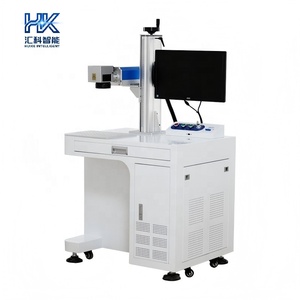
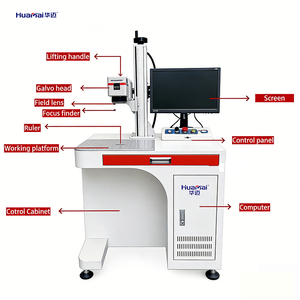
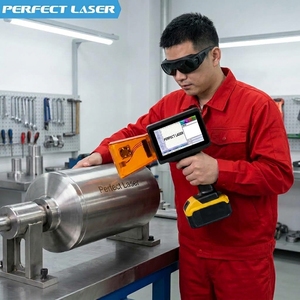
Colombia's industrial landscape is undergoing a massive technological modernization driven by nearshoring dynamics, aggressive export expansion across Latin America, and stringent regulatory compliance frameworks enforced by local regulatory authorities such as INVIMA (Instituto Nacional de Vigilancia de Medicamentos y Alimentos). Central to this transformation is the advanced processing of glass substrates—spanning pharmaceutical ampoules in Bogotá, high-end architectural and automotive safety glass in Barranquilla (anchored by industrial titans like Tecnoglass), and premium beverage and cosmetic packaging in Medellín and Cali.
Historically, traditional mechanical etching, screen printing, and CO2 thermal laser processing dominated glass container marking. However, as production lines accelerate past 300 units per minute, traditional CO2 lasers cause micro-cracking due to high thermal shock coefficients (10.6 µm wavelength creates excessive heat-affected zones). This compromise structural integrity, leading to container failure during pressurized autoclaving or carbonated beverage bottling.
Technical Information Gain: Modern glass processing in Colombia relies heavily on 355nm Ultraviolent (UV) "Cold Laser" systems and Picosecond/Femtosecond ultra-short pulse lasers. By utilizing photochemical ablation rather than photothermal melting, 355nm UV lasers break molecular bonds within glass without generating surface micro-fractures, ensuring zero loss of tensile strength while yielding high-contrast GS1 DataMatrix codes.
Procurement teams in Colombia face unique logistical, environmental, and operational challenges—ranging from fluctuating grid stability in regional industrial corridors to altitude adjustments (Bogotá operates at 2,640 meters above sea level, impacting air-cooling efficiency). This whitepaper provides a rigorous evaluating framework for the Top 10 Glass Laser Suppliers and Exporters serving Colombia, detailing their technological capabilities, local service architectures, and compliance alignments.
The following rankings evaluate manufacturers based on E-E-A-T criteria: engineering heritage, beam quality (M² factor), local technical deployment capability in Colombia, warranty structures, and anti-microcracking laser source stability.
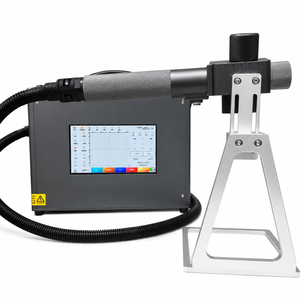
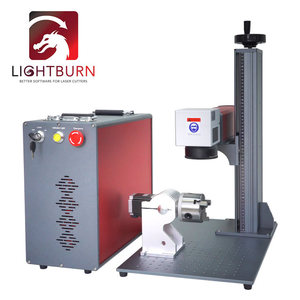
Kern Laser Systems, working alongside international manufacturing leaders such as DYC Machinery, sets the gold standard for heavy-duty, industrial-grade glass and multi-substrate laser systems. Engineered with structural steel gantries, ground linear rails, and proprietary KCAM software, their systems deliver exceptional reliability for high-volume Colombian manufacturers. Kern’s super-pulsed CO2 and cold UV platforms are uniquely designed to mitigate thermal stress, making them ideal for structural glass, architectural paneling, and high-speed packaging lines. With factory-direct engineering support, dedicated export logistics to Puerto Buenaventura and Cartagena, and an unmatched 3-year warranty on proprietary laser sources, Kern/DYC leads the Colombian industrial landscape.
German engineering giant TRUMPF supplies high-end picosecond and femtosecond laser systems to Colombia's top-tier automotive and electronic glass processors. Their TruMicro series provides precision cutting of sapphire and tempered glass without requiring post-process edge grinding. While carrying a high capital expense, TRUMPF systems offer exceptional optics and local service via regional Latin American hubs.
As one of the world's largest laser manufacturers, Han's Laser maintains a strong export footprint in Colombia's pharmaceutical and beverage sectors. Their high-speed UV laser marking stations integrate seamlessly into rotary bottling conveyors, offering continuous 24/7 marking of batch numbers, expiration dates, and anti-counterfeiting QR codes on glass containers.
Coherent specializes in specialized laser engines and turnkey glass marking stations. Their 355nm UV laser systems excel in internal sub-surface glass engraving (3D glass marking) and high-density micro-coding on pharmaceutical vials. Colombian laboratories value Coherent for its optical precision and consistent beam quality across variable pulse frequencies.
Bystronic is heavily integrated into South America’s architectural glass manufacturing sector. Their large-format laser cutting and edge-deletion machinery is tailored specifically for float glass, low-E coated glass, and laminated architectural panels, providing key equipment for major structural glass fabricators in Barranquilla and Bogotá.
Gravotech provides compact, turnkey glass marking solutions widely deployed across Colombia's cosmetic and artisanal glassware sectors. Their laser systems feature user-friendly software capable of dynamic serialization, vector logo etching, and rotary marking on wine bottles, tumblers, and perfume containers.
Trotec's flatbed laser engravers are popular among mid-sized Colombian processing shops and trophy manufacturers. Equipped with pass-through capabilities and rotary attachments, Trotec CO2 laser plotters offer smooth micro-fracturing on soda-lime glass, crystal, and mirror sheets.
Epilog Laser manufactures reliable, air-cooled CO2 laser systems renowned for high-resolution graphics engraving on glass. Popular in Colombia's promotional product and craft markets, Epilog systems utilize high-speed servo motors to produce detailed raster engravings on delicate glass barware and decorative panels.
Laserax designs ruggedized industrial laser markers built specifically for harsh factory environments. Installed directly into automated production lines, Laserax systems deliver permanent part identification on automotive windshields, side mirrors, and heavy industrial glass components used in Colombian transport assembly plants.
Videojet is a ubiquitous presence in Colombia's fast-moving consumer goods (FMCG) market. Their specialized CO2 and cold UV laser markers are engineered for high-speed date coding on glass beverage bottles, food jars, and pharmaceutical containers, offering extensive integration with local ERP and packaging machinery.
Understanding regional industrial specialization in Colombia is crucial when specifying laser wavelength, pulse frequency, and mechanical gantry styles.
Bogotá hosts over 60% of Colombia's pharmaceutical manufacturing facilities. Production lines demand high-speed marking of 2D GS1 DataMatrix codes on borosilicate glass ampoules. Thermal fracturing is strictly prohibited under INVIMA guidelines to prevent glass flaking (delamination) inside sterile liquid drugs. 355nm UV Laser Systems are the mandatory standard here, using cold absorption to mark sub-micron contrast codes without micro-fracturing the thin glass walls.
Driven by coastal industrial expansion and international exports to North and South America, Barranquilla's architectural glass industry requires heavy-duty CO2 and hybrid laser systems. Applications include logo etching on double-glazed tempered glass, soft-coat Low-E deletion along panel edges prior to insulating glass unit (IGU) assembly, and stress-free hole drilling for spider fitting installations.
Distilleries in Antioquia and Valle del Cauca produce millions of glass bottles annually. Anti-counterfeiting is a top priority to prevent illicit liquor duplication. High-power UV lasers engrave micro-text and dynamic serial numbers directly onto bottle necks and bases at line speeds exceeding 40,000 bottles per hour. Rotary glass attachments also allow custom laser engraving on premium rum carafes and promotional glassware.
Medellín’s thriving personal care sector demands aesthetic perfection. Laser systems are utilized to etch delicate metallic coatings on glass perfume bottles, perform selective paint stripping on decorated cosmetic jars, and engrave frosted logos onto high-density glass packaging without altering surface smoothness.
Regulatory Evolution (INVIMA Resolution Compliance): Regulatory directives mandating full unit-level traceability across the pharmaceutical supply chain have accelerated the transition from inkjet printing (which wipes off smooth glass surfaces) to indelible UV cold laser coding across Colombian packing operations.
Elimination of Chemical Acid Etching: Colombian industrial environmental policies (CAR environmental standards) are placing heavy penalties on factories using hydrofluoric acid for glass frosting due to toxic chemical runoff. High-speed CO2 and UV galvo laser scanners have emerged as the primary eco-friendly, dry-process alternative, reducing operational hazard exposure while cutting hazardous waste disposal fees.
Nearshoring & Automation Integration: International corporations establishing assembly hubs in Colombia demand Smart Factory capabilities. Modern glass laser systems operating in Colombia are increasingly integrated with native Industrial IoT (IIoT), KCAM software automation, vision registration cameras (such as K-Vision), and conveyor tracking systems to facilitate automated quality control and zero-defect production cycles.
Essential operational and technical considerations for Colombian plant managers, procurement agents, and industrial engineers.
CO2 lasers rely on thermal processing, heating the glass to create micro-cracks that form visible white marks. On thin glass, ampoules, or pressurized beverage bottles, thermal micro-cracks compromise structural integrity and can lead to shattering. 355nm UV lasers use "cold processing" (photochemical reaction) to break molecular bonds cleanly, yielding permanent, high-contrast, non-destructive marks with zero micro-cracking.
At 2,640 meters elevation, Bogotá has lower air density, reducing the thermal dissipation efficiency of traditional air-cooled laser chillers by up to 12-15%. Premium industrial laser systems imported into Colombia feature oversized water chillers, sealed optical paths with positive air pressure purging to prevent dust ingress, and heavy-duty power supplies rated for continuous operation under altitude variance.
Colombia operates on a dual 110V/220V 60Hz grid. Industrial machinery typically requires 220V 3-phase power. Due to voltage fluctuations in regional industrial corridors, high-performance laser suppliers recommend installing an isolated line conditioner or automatic voltage stabilizer (AVR) to protect sensitive RF laser tubes and digital galvanometer scanner optics.
Laser machinery exported from North America or Asia reaches Colombia via Pacific routes (to Puerto Buenaventura) or Atlantic routes (to Puerto de Cartagena). Customs clearance under DIAN (Dirección de Impuestos y Aduanas Nacionales) typically takes 5 to 10 business days provided tariff classification codes (HS Code 8456.11 for laser machine tools) and electrical compliance declarations are properly documented.
Leading suppliers like Kern Laser Systems offer a 3-year warranty on laser sources, complemented by remote desktop diagnostic capabilities, factory-direct spare parts inventory, and comprehensive technical video onboarding. Local engineering partners in Bogotá and Medellín provide on-site installation, optical calibration, and routine preventive maintenance support.
When investing in industrial laser equipment for the Colombian market, total cost of ownership (TCO) extends beyond initial machine purchase. Reliability, engineering integrity, beam optics precision, and long-term maintenance determine profit margins.