Explore our engineering-grade fiber laser marking, cutting, and rotary indexing equipment tailored for Seoul's manufacturing facilities.
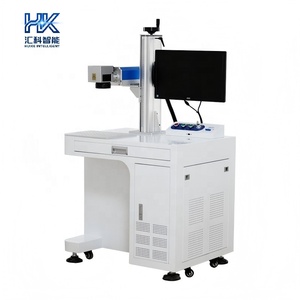
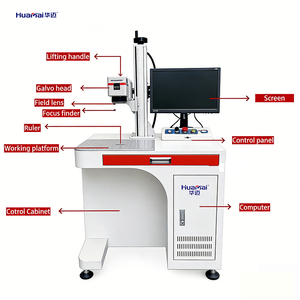
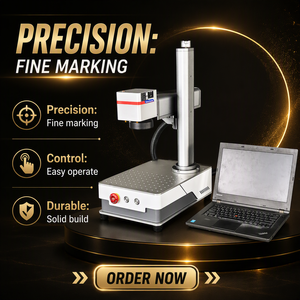
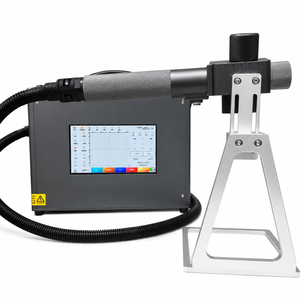
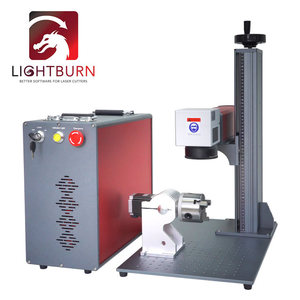
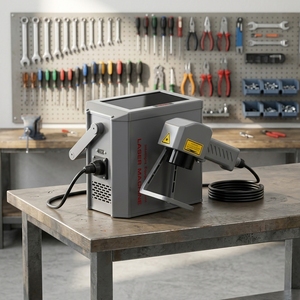
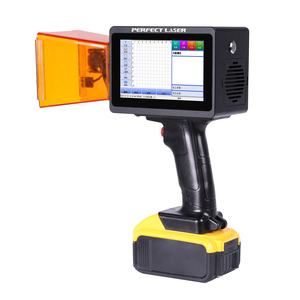
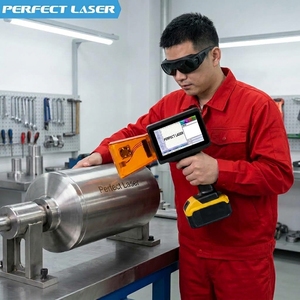
The Seoul Metropolitan Area—spanning key high-tech manufacturing complexes from Guro Digital Complex (G-Valley) and Geumcheon-gu to the advanced supplier hubs in Incheon, Bucheon, and Hwaseong—demands sub-micron thermal processing standards. As South Korea's high-tech manufacturing sectors evolve toward Industry 4.0 smart factory integration, traditional mechanical sawing, manual tube indexing, and stamp-marking methods fail to meet modern speed, traceability, and edge-quality requirements.
As a premiere Pipe and Tube Rotary Laser Manufacturer & Supplier serving the Seoul market, our engineering architecture is designed around direct vertical integration. By deploying closed-loop servo-driven rotary indexers synchronized with high-brightness fiber and super-pulsed CO2 laser sources, our machinery provides Korean manufacturers with an unprecedented competitive edge in processing stainless steel, structural carbon steel, copper, aluminum, and advanced engineering polymers.
Processing cylindrical geometries introduces unique kinematic challenges: centrifugal runout, tube wall thickness variations, heat accumulation, and wall distortion under chuck pressure. Our dedicated rotary laser machinery overcomes these limitations through four core engineering innovations:
Combining heavy welded-steel gantries with proprietary laser source technology to achieve operational longevity in multi-shift facilities.
Direct-drive motorization paired with zero-backlash planetary gearboxes ensures rotary positioning within seconds of an arc. Supports tube diameters ranging from micro 8mm tubing to heavy 300mm structural steel pipes.
Engineered and calibrated in-house, our fiber (100W–3000W) and super-pulsed CO2 sources carry a full 3-year factory coverage—representing the longest reliability guarantee in the industrial laser sector.
Developed specifically for multi-axis laser motion. Provides automated nesting for cylindrical stock, real-time power/speed scaling, and dynamic assist gas control (N2, O2, Compressed Air).
All machines shipped to the Seoul capital area are fully compliant with South Korea's electrical safety (KC Mark) standards, featuring Class 1 or Class 2 enclosed laser interlocks and emergency stop circuitry.
Engineered for ultimate flexibility: combine high-power Fiber metal cutting and CO2 non-metal processing on a single frame, saving up to 40% of factory floor footprint in urban Seoul industrial parks.
Rapid-response remote diagnostic software paired with localized technician dispatch within the Greater Seoul region ensures continuous uptime and minimal maintenance overhead.
The manufacturing profile of Seoul and its neighboring industrial cities is highly specialized. Our pipe and tube rotary laser systems are tailored to address the stringent tolerances required by South Korea's key growth drivers:
Facilities catering to South Korea's mega-semiconductor clusters require ultra-clean, burr-free cutting and trace marking on 316L VIM/VAR stainless steel gas lines. Our high-frequency MOPA fiber laser systems execute high-speed circumferential cuts and permanent 2D DataMatrix code engraving without contaminating inner tube bores or causing structural particulate flaking.
With electric vehicle supply networks expanding rapidly throughout Gyeonggi-do, suppliers require high-throughput rotary laser processing of extruded aluminum tubes and rectangular battery frame cooling lines. Our synchronized rotary chucks provide seamless beveling, slotting, and profiling with zero thermal warping.
From custom structural installations in Seongsu-dong and Gangnam to large-scale construction components in Incheon, urban structural metal fabricators utilize our heavy-duty rotary attachments to process heavy round, square, and oval structural pipes with complex interlocking joint designs.
Bio-medical manufacturing centers in the capital area utilize our air-cooled 355nm UV laser systems for cold micro-machining of polymer catheters, nitinol stents, and surgical stainless steel micro-tubes without melt-lip formation or thermal discolouration.
Compare operational parameters across our rotary laser tube processing lineup.
| System Series | Laser Power Output | Rotary Chuck Dia. | Positional Accuracy | Compatible Materials | Target Application |
|---|---|---|---|---|---|
| Rotary Fiber Marking (100W-300W) | 100W / 200W / 300W Fiber | 50mm – 150mm 3-Jaw | ±0.001 mm | Steel, Titanium, Brass, Copper | High-speed pipe coding & deep slotting |
| MOPA Color Laser Rotary | 20W / 30W / 60W MOPA | 80mm Synchronized Axis | ±0.002 mm | Stainless, Anodized Al, Polymers | Color marking & thin-wall tube engraving |
| UV Cold Micro Tube System | 3W / 5W / 10W UV 355nm | Micro Pneumatic Chuck | ±0.0005 mm | Medical Polymers, Nitinol, Glass | Medical tubing & heat-sensitive sleeves |
| Heavy Industrial Fiber CELL | 1000W – 3000W Fiber | 100mm – 300mm Auto Chuck | ±0.01 mm | Carbon Steel, Stainless, Aluminum | Structural pipe cutting, beveling & joining |
| Hybrid Gantry CO2/Fiber | 150W-800W CO2 + 1kW Fiber | Universal Pass-Through | ±0.001 in | Metals, Acrylic, Wood, Composite | Multi-material architectural frame shop |
The manufacturing footprint within Seoul is subject to high urban space costs, strict municipal environmental regulations, and demanding labor safety guidelines. Forward-thinking suppliers and manufacturers are actively upgrading to automated pipe and tube laser platforms due to three major market shifts:
Many Seoul light-manufacturing operations are housed within multi-story urban Knowledge Industry Centers (e.g., Guro, Geumcheon, Seongdong districts). Floor space carries a premium, and heavy traditional band saws or mechanical punches generate noise, vibration, and coolant fluid hazard. Our compact desktop and enclosed bench-top rotary laser systems provide a zero-vibration, air-cooled, clean processing solution that fits easily within elevator-accessible urban factory floors.
With South Korea's aggressive national ESG policies, factories in the Seoul Capital Area must dramatically reduce chemical coolant consumption and particulate dust emissions. Fiber laser rotary processing operates completely dry (utilizing inert nitrogen or compressed air assist), cutting carbon emissions and eliminating secondary hazardous fluid disposal expenses.
Korean industrial conglomerates heavily emphasize connected factory workflows. Our KCAM software architecture connects directly to factory Execution Systems (MES) via standard industrial communications protocols, enabling automated serialization, barcode generation, and real-time tube batch tracking.
Direct technical and logistical answers regarding machine installation, power grid compliance, and local support in South Korea.
Choosing the correct laser equipment manufacturer is a multi-year operational investment. Unlike suppliers offering standard third-party white-labeled imports, our company engineers, welds, calibrates, and tests key mechanical and optical assemblies in-house.
Contact our application engineering team to request technical datasheets, request a material test run, or schedule an in-person or virtual machine demonstration for your Seoul operations.