Explore our engineering-grade fiber, CO2, MOPA, and UV laser systems deployed globally for signmakers, metal fabricators, and branding specialists.
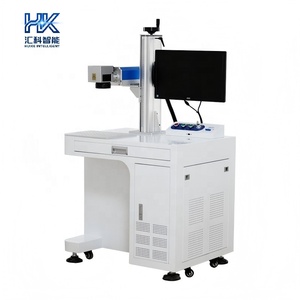
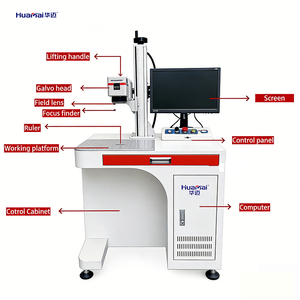
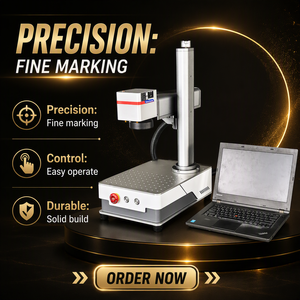
Brazil represents the largest visual communication (Comunicação Visual) and commercial signage market in Latin America. From the bustling commercial districts of São Paulo and Rio de Janeiro to the heavy industrial and metal-mechanical hubs of Caxias do Sul and Joinville, demand for high-end architectural signage, illuminated channel letters (letras caixa), and urban totems has exploded. This growth is driven by massive investments in corporate rebranding, retail modernization, urban infrastructure upgrades, and strict municipal aesthetic codes such as São Paulo's Lei Cidade Limpa (Clean City Law), which incentivizes sleek, flush-mounted, high-precision architectural facades over cluttering outdoor billboards.
To remain competitive, Brazilian sign manufacturers are rapidly phasing out manual router cutting, mechanical shearing, and liquid chemical etching in favor of state-of-the-art large-format CO2 laser cutters and sheet metal fiber laser cutting systems. Modern commercial signage production in Brazil demands flawless processing across a diverse palette of substrates—including cast acrylic (acrílico fundido), Aluminum Composite Material (ACM / Alumínio Composto), stainless steel (AISI 304 and 316), mild steel, brass, MDF, and heavy-density polyethylene foams.
Technical Insight for Brazilian Buyers: The shift toward hybrid laser processing allows signage manufacturers to execute zero-clearance tight-radius cuts on polished stainless steel for outdoor lettering, while seamlessly switching to flame-polished polished edges on 20mm thick cast acrylic for internal LED-lit retail displays on the exact same gantry platform.
When sourcing industrial laser equipment for long-term production in South America, machine reliability, frame rigidity, and component serviceability are non-negotiable. Engineered and manufactured in Wadena, Minnesota, USA since 1982, our heavy-duty laser platforms bring unprecedented vertical integration to signmakers across Brazil. Unlike lightweight aluminum-extrusion machines, every frame is welded steel, stress-relieved, precision-milled, and equipped with closed-loop servo motors driving ground linear guide rails.
Engineered in-house with power ratings from 150W up to 800W. Backed by an industry-leading 3-year factory warranty, delivering ultra-clean cut edges on thick polymers.
Automated optical registration system that compensates for material stretch, distortion, and optical skew on pre-printed graphic substrates without manual fixturing.
Mount both a high-power CO2 laser source and a fiber beam delivery head on a single motion system to cut metals and non-metals in one seamless workflow.
Precision execution is guaranteed by KCAM Software, an intuitive control suite designed specifically for multi-pass cutting, high-speed raster engraving, native vector nesting, and real-time gas assist control (Nitrogen, Oxygen, and Compressed Air). With positional repeatability rated at ±0.001", production teams in Brazil achieve perfect part-to-part consistency across thousands of nested components.
Selecting the optimal wavelength and beam delivery system is essential for maximizing yield and minimizing total operational cost per part. Below is an engineering overview comparing laser wavelengths commonly utilized in commercial signage and industrial product marking:
| Laser Source Type | Wavelength | Primary Signage Substrates | Key Operational Advantage | Typical Brazil Application |
|---|---|---|---|---|
| Super-Pulsed CO2 | 10.6 µm | Cast Acrylic, Wood, MDF, Leather, PETG, Foam | Flame-polished acrylic edges; zero tool wear | 3D Illuminated Letters, Architectural Models |
| Fiber Laser Cutter | 1.06 µm | Stainless Steel, Mild Steel, Aluminum, Brass, Copper | High energy absorption in metals; narrow kerf width | ACM Facades, Outdoor Metal Totems, Structural Frame |
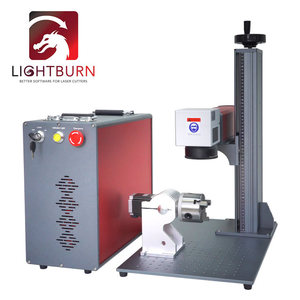
| MOPA Fiber Marker | 1.06 µm (Tunable) | Anodized Aluminum, Stainless Steel, Plastics | Pulse duration control (1-500 ns); color marking | Corporate Nameplates, Serial Numbers, Logos |
| UV Cold Laser | 355 nm | Glass, Cosmetic Packaging, Delicate Polymers | Photothermal cold cutting; zero heat-affected zone | Luxury Retail Signage, Micro Cosmetic Marking |
The versatility of industrial laser cutting and marking systems manifests across multiple high-growth application scenarios in Brazil:
Building contractors and exterior sign fabricators in Greater São Paulo utilize large-format fiber and hybrid laser cutters to process sheet metal up to 5' x 10' (1500 x 3000 mm) or larger. Utilizing Nitrogen assist gas, fiber lasers slice through 3mm to 6mm stainless steel without oxidation, allowing immediate TIG welding or powder coating for exterior architectural totems. Simultaneously, ACM panels are perforated and cut with lightning-fast motion control, maintaining straight edge geometries over extended lengths.
Point-of-Sale (POS) and retail display manufacturers rely heavily on 250W to 400W super-pulsed CO2 laser systems such as the OptiFlex and LaserCELL. Vaporizing acrylic cleanly, the thermal beam leaves a glass-like flame-polished edge, eliminating labor-intensive flame polishing or mechanical buffing. With pass-through table options, 4' x 8' acrylic sheets pass continuously through the cutting zone without secondary trimming steps.
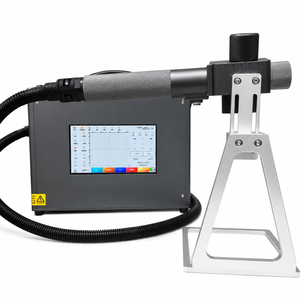
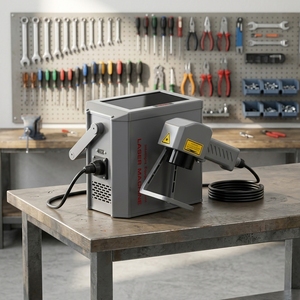
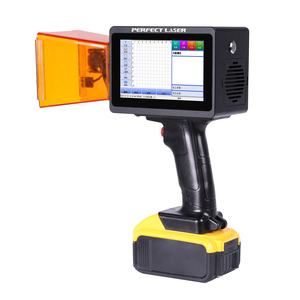
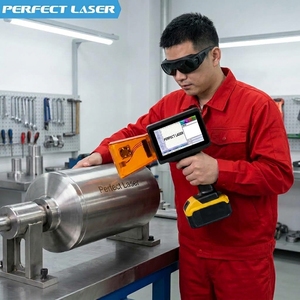
Brazil’s robust automotive and agricultural equipment manufacturing sectors in Rio Grande do Sul require permanent traceability solutions. Portable fiber markers and MOPA laser marking systems create high-contrast, corrosion-resistant 2D DataMatrix codes, VIN numbers, and brand logos directly onto stainless steel plates, cast iron engine blocks, and anodized aluminum control panels under strict ISO/TS compliance.
Importing capital machinery into Brazil requires navigating specific regulatory, electrical, and tax frameworks. Below, our technical export team answers the most critical questions posed by Brazilian purchasing directors:
Send us your material samples—whether cast acrylic, stainless steel, or printed ACM. Our engineering application lab will perform test cuts, document cut speeds and gas consumption, and provide a detailed feasibility report for your production facility.