Engineered for high stability under tropical operating conditions, supporting Nigerian enterprises with uncompromised precision and continuous output.
A rigorous examination of photothermal decomposition, edge optical clarity, and capital expenditure optimization for West African industrial hubs.
Processing polymethyl methacrylate (PMMA) cast and extruded acrylic requires exact wavelength management. CO₂ gas lasers emitting at 10.6 micrometers achieve near 99% surface absorption in acrylic polymers. Unlike mechanical CNC routers that induce micro-fractures, mechanical stress, and tool wear, industrial laser cutting relies on controlled thermochemical vaporization.
As the concentrated laser beam elevates the material to its depolymerization threshold (~200°C to 400°C), the solid acrylic transitions cleanly into monomer gas vapor. With optimized air assist gas pressure (0.2–0.3 MPa), the melt pool is expelled instantly, producing a smooth, optically transparent flame-polished edge finish straight off the table without secondary hand-polishing or chemical flame treatments.
Nigeria’s commercial sector—spanning major industrial zones like Ikeja, Lekki Free Trade Zone, Abuja Central Area, Aba, and Port Harcourt—is undergoing a structural transition toward localized import-substitution manufacturing. High tariffs and currency conversion dynamics have made importing finished acrylic displays, signboards, and awards financially unviable.
Deploying heavy-duty Chinese acrylic laser cutting machinery gives Nigerian manufacturers an immense unit-cost advantage. By importing raw PMMA acrylic sheets and processing them locally, fabrication shops achieve ROI within 4 to 8 months. Key sectors driving demand include 3D illuminated channel-letter signage, commercial bank branch re-branding, real estate architectural models, retail point-of-sale (POS) displays, and bespoke luxury packaging.
Built upon robust structural steel, precision motion controls, and tropicalized electrical systems built for maximum uptime.
Every frame is constructed from heavy-gauge tubular steel, heat-treated and stress-relieved to prevent thermal deformation over years of operation. Machined on 5-axis gantry CNC mills, our bed structures maintain a flatness tolerance within ±0.05mm across 1300x2500mm or 2000x3000mm cutting tables.
Engineered specifically for West African climatic conditions. Features dual-stage industrial chillers (CW-5200/CW-6000 series) with high-ambient compressors rated for 45°C operation. Integrated wide-range automatic voltage regulation protects sensitive laser RF/DC tubes against generator voltage spikes.
Equipped with advanced Ruida/KCAM motion controllers supporting true continuous arc trajectory planning. Automatic nesting software maximizes sheet utilization of expensive acrylic media, while dynamic look-ahead algorithms ensure zero corner burn or heat concentration on intricate vector cuts.
| Laser Source & Power | Optimal PMMA Thickness | Cutting Speed (Max) | Edge Quality Finish | Air Assist Requirement | Generator Load (KVA) |
|---|---|---|---|---|---|
| 100W CO₂ Glass Tube | 2mm – 10mm | 15 – 35 mm/s | Clear Flame-Polished | 0.15 - 0.20 MPa Air | 3.5 KVA |
| 150W RECI CO₂ Tube | 3mm – 15mm | 20 – 50 mm/s | Optically Transparent | 0.20 - 0.25 MPa Air | 4.5 KVA |
| 300W RF Metal Tube / Hybrid | 5mm – 25mm | 30 – 80 mm/s | Mirror-Smooth Glass Edge | 0.25 - 0.35 MPa Dry Air/N₂ | 7.5 KVA |
| 600W Super-Pulsed CO₂ | 8mm – 35mm | 40 – 120 mm/s | Ultra-Dense Zero-Kerf Edge | 0.30 - 0.50 MPa Nitrogen | 12.0 KVA |
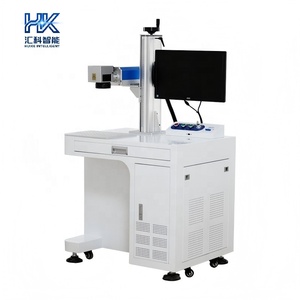
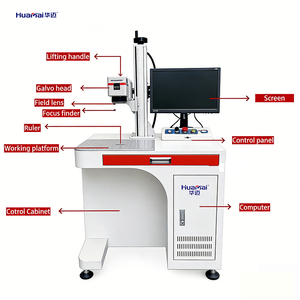
| 30W-100W MOPA Fiber (Marking) | Surface Micro-Engraving | Up to 7000 mm/s | High-Contrast Etch | Ambient / Integrated Exhaust | 1.5 KVA |
Discover how leading fabrication yards in Lagos, Abuja, Port Harcourt, and Kano leverage laser cutting technology for high-margin market expansion.
In high-density commercial centers like Ikeja, Victoria Island, and Lekki, branding agencies demand 3D illuminated channel letters and LED-backed corporate identity boards. Acrylic laser cutting machines allow sign makers to seamlessly cut 10mm to 20mm opal and colored cast acrylic faces with exact kerf compensation.
Integrated vision registration cameras (K-Vision Camera Systems) automatically scan printed optical fiducials on direct-to-substrate UV-printed acrylic sheets, compensating for material stretch and angle distortion to deliver zero-defect contour cutting for point-of-sale display stands.
The booming luxury real estate and government infrastructure sector in Abuja requires custom interior decorative elements. Laser-cut decorative acrylic privacy screens, backlit ceiling panels, and intricate architectural scale models are produced effortlessly on 1300x2500mm large-format tables.
High-wattage CO₂ systems process heavy 15mm-25mm translucent acrylic sheets cleanly, allowing architectural fabricators to deliver custom geometric patterns and lattice screens straight to job sites in Maitama and Asokoro with zero hand finishing.
Corporate headquarters, financial institutions, and event planners across Nigeria require high-end crystal-clear acrylic plaques and awards. Dual-head laser systems allow simultaneous cutting and high-speed raster engraving on thick acrylic blocks.
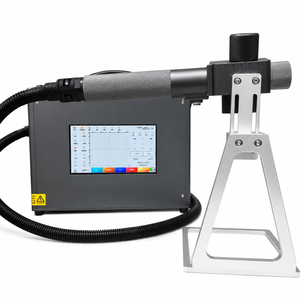
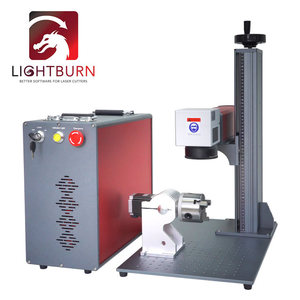
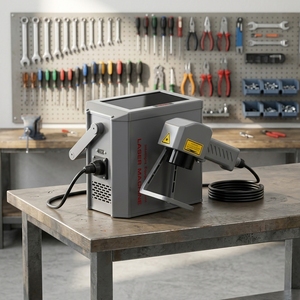
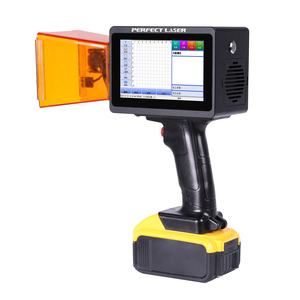
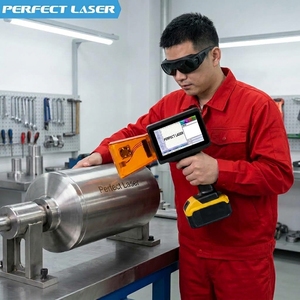
By pairing high-power CO₂ laser cutting with mini portable fiber or UV laser marking units, manufacturers can perform deep vector engraving, frosted surface etching, and sharp metallic logo marking on trophy bases in a single unified workflow.
Manufacturing facilities in the Agbara Industrial Estate and Port Harcourt energy corridor use heavy CO₂ laser machinery to cut technical plastics, high-density polyethylene, clear polycarbonate machine safety shields, and dense industrial EVA foam tool inserts.
Non-contact laser processing eliminates mechanical tool deflection, ensuring tight dimensional tolerances for replacement machinery guards and custom industrial gaskets without requiring expensive custom dies.
Navigating energy infrastructure, duty regulations, and equipment selection for sustainable production growth in West Africa.
Given the reliance on captive power generation (diesel generators), our machines feature reinforced industrial power supplies with built-in EMI filtering, isolated grounds, and heavy-duty phase protection to guarantee stable laser tube discharge under generator load steps.
To combat Harmattan dust and airborne industrial particulates in northern and central Nigeria, all linear guide rails, rack-and-pinion drives, and optical reflector mirrors are enclosed in dust-proof bellows with positive-pressure air purged enclosures.
All machinery shipments bound for Apapa Port, Tin Can Island, or Onne Port are fully certified under the Standards Organisation of Nigeria Conformity Assessment Programme (SONCAP), complete with Product Certificates (PC) and Certificate of Conformity (CoC).
Direct technical and logistical answers addressing electricity, shipping, customs clearance, and local operator training.
Our industrial laser cutting systems are specifically tropicalized for the West African electrical grid. We equip all control cabinets with high-capacity automatic voltage regulators (AVR), surge suppression modules, and isolated switching power supplies. The machine operates smoothly on standard 220V 50Hz single-phase or 380V 50Hz three-phase diesel generator power. The electrical architecture tolerates voltage swings of ±15% without impacting laser beam stability or motor positioning precision.
Manufacturing and factory testing typically require 10 to 15 days. Ocean freight shipping from Ningbo/Shanghai port to Lagos (Apapa or Tin Can Island Port) takes approximately 30 to 40 days in transit. We provide complete documentation for seamless customs clearance, including the Commercial Invoice, Packing List, Bill of Lading, Form M documentation support, NXP compliance, and SONCAP Certificate of Conformity (CoC). Our logistics partners in Lagos can also offer door-to-door delivery and clearing assistance.
We work directly with accredited international inspection agencies (such as SGS, Intertek, or Cotecna) to issue the required SONCAP Product Certificate (PC) during manufacturing and the final Certificate of Conformity (CoC) prior to vessel loading. We also assist your bank with Proforma Invoices formatted specifically to meet Central Bank of Nigeria (CBN) Form M guidelines and HS Code classifications for industrial laser machinery (HS Code: 84561100).
Achieving a glass-like polished edge directly off the laser bed depends on three factors: (1) Laser Source Selection: A 150W or higher RECI/EFR CO₂ tube or RF metal tube delivering a true TEM00 Gaussian beam mode; (2) Gas Assist Tuning: Reducing assist air pressure to ~0.05-0.1 MPa (or using low-pressure nitrogen) so the molten acrylic vapor stays localized long enough to reflow smoothly before solidifying; (3) Focal Lens Distance: Utilizing a 3-inch or 4-inch focal length lens to maintain a straight, narrow waist beam profile across the full thickness of the sheet.
We maintain direct technical partnerships and stock critical fast-wear spare parts—including high-transmission ZnSe focus lenses, Si reflection mirrors, high-voltage laser power supplies, drive belts, and Ruida controller cards—ready for rapid dispatch to Lagos, Abuja, Port Harcourt, and Kano. Furthermore, our engineering team provides comprehensive remote diagnostic support via TeamViewer/video link, backed by step-by-step video training for your local operators.
Yes! We offer specialized hybrid CO₂ / Fiber laser systems (such as the OptiFlex Hybrid series) that feature dual cutting heads mounted on a single gantry. The CO₂ laser source handles non-metallic materials like acrylic, wood, leather, and foam with perfect flame-polished edges, while the integrated Fiber laser source cuts stainless steel, mild steel, aluminum, and brass sheets seamlessly without needing two separate machine frames.
Combining world-class component engineering with direct factory technical accountability.
Eliminate middleman markups and work directly with the design engineers who build your laser machinery. Custom bed sizes, dual-head configurations, pass-through doors, and automated shuttle tables are custom-manufactured to your exact factory specs.
Every laser system undergoes 72 hours of continuous stress testing, laser power power-meter verification, linear axis interferometry calibration, and high-speed acrylic cutting validation before export packing in sea-worthy IP65 wooden crates.
Enjoy free lifetime software updates, continuous technical assistance, and structured operator training programs. We guarantee complete spare parts availability for at least 10 years following machine installation.
Talk directly with our senior laser application engineers today. Receive custom machine recommendations, acrylic cut sample analysis, complete SONCAP import documentation guidance, and a direct factory quotation.
Get a Quote