CE Conformity Certified Systems Engineered for Continuous Duty in European Smart Factories
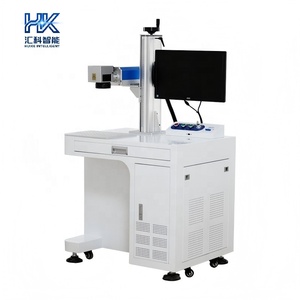
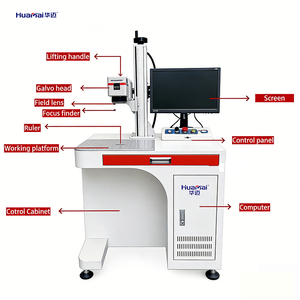
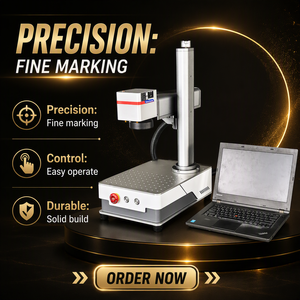
In modern European manufacturing environments, achieving ultra-high positional fidelity during laser processing of flexible, pre-printed, or thermally sensitive materials presents a complex engineering challenge. Standard mechanical clamping and absolute coordinate CNC systems often fail to account for material shrinkage, web tension warping, or printing register shifts. The K-Vision Camera Registration System integrates advanced high-resolution optical sensing directly into the motion control architecture, utilizing real-time mathematical transform algorithms to deliver micrometer-level vector alignment.
The core technology behind K-Vision relies on a top-mounted high-resolution CMOS industrial camera coupled with specialized LED ring illuminators capable of variable polarization. When a sheet goods job (such as printed acrylic, membrane switches, or automotive instrument overlays) is positioned on the bed, the vision engine scans predetermined registration targets (fiducials, crosshairs, or edge corners).
Rather than assuming a rigid flat workpiece, the software calculates a non-linear affine transformation matrix in real time. This matrix mathematically compensates for three distinct physical distortion vectors:
Technical Insight: By feeding compensated vector paths directly into the KCAM CNC motion engine prior to laser firing, K-Vision eliminates edge distortion, ghosting, and rejected parts, driving pass rates above 99.8% in high-speed production runs.
Industrial machinery deployed across the European Union—and specifically within France under the enforcement of L'Institut National de Recherche et de Sécurité (INRS) and the Direction Générale du Travail—must strictly adhere to comprehensive health, safety, and electromagnetic guidelines. Our K-Vision camera systems and industrial laser cutting platforms carry full CE certification documentation under the following European Directives:
| EU Directive / Standard | Technical Scope & Regulatory Purpose | Implementation Specification |
|---|---|---|
| Machinery Directive 2006/42/EC | Mandatory mechanical, physical, and operational safety criteria across all automated industrial equipment. | Dual-channel safety circuit interlocks, emergency stop loops, and structural risk assessments. |
| EN 60825-1:2014 Laser Safety | Classification and safety requirements for laser products emitting radiation from 180nm to 1mm. | Fully enclosed Class 2 safety housing options with interlocked viewing windows and beam path shrouding. |
| EMC Directive 2014/30/EU | Electromagnetic compatibility to prevent interference with surrounding facility automation and robotics. | Shielded signal cabling, heavy-duty industrial noise filters, and certified servo driver enclosures. |
| Low Voltage Directive 2014/35/EU | Electrical safety standards for equipment operated on 50V–1000V AC industrial grids. | IP54 rated control cabinets, DIN-rail mounting, circuit breaker isolation, and grounding bonding. |
Founded in 1982 in Wadena, Minnesota, USA, our manufacturing facility has spent over four decades perfecting heavy-duty industrial laser machinery. Unlike light-duty modular aluminum extrusions, our machine gantries are built from heavy-walled, stress-relieved tubular steel. Every structural weldment is precision machined to hold tolerances of ±0.001 inches across bed sizes extending up to 5 x 10 feet and beyond.
We design, engineer, and service our super-pulsed CO2 laser sources (from 150W up to 800W) in-house. Super-pulsing delivers rapid peak power surges that vaporize synthetic substrate cleanly with reduced heat-affected zones (HAZ) and zero flame charring. Backed by an industry-leading 3-year factory warranty.
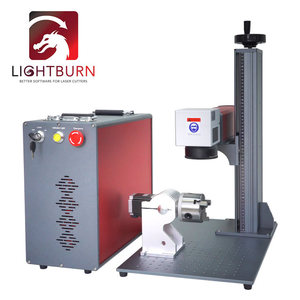
Why choose between CO2 non-metal cutting and Fiber metal processing? Our OptiFlex and FiberCELL platforms can be equipped with dual laser technologies on a single high-speed servo gantry. Switch seamlessly from cutting 25mm cast acrylic to slicing 3mm stainless steel on one setup.
KCAM software provides direct control over vector speed, pulse frequency, corner power ramping, and vision camera alignment. Native vector format support (DXF, PLT, AI) ensures instantaneous job loading without expensive intermediate CAM processing.
Every laser system undergoes 100+ hours of continuous burn-in, motion profiling, and laser power diagnostic testing at our factory prior to export shipment. The engineers who build your machine are the same specialists providing remote desktop support.
France remains one of Europe's premier industrial and manufacturing hubs, driven by strict quality standards, advanced automation, and heritage craft traditions. The K-Vision Camera Registration System provides tailored production solutions across key French manufacturing hubs:
The luxury cosmetics, perfume, and fashion sectors centered around Paris demand immaculate visual presentation. Laser cutting pre-printed cast acrylic, gold-foiled carton packaging, and display fixtures requires micro-fine alignment. K-Vision detects printed crop marks, executing flame-polished edges without burning delicate gold leaf or distorting printed brand graphics.
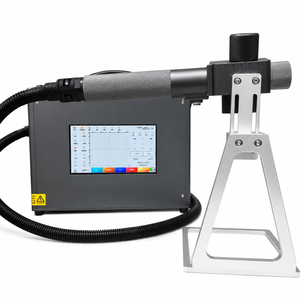
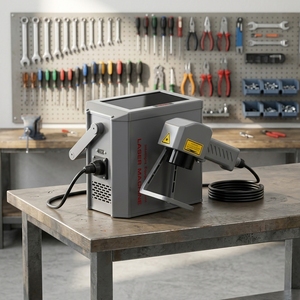
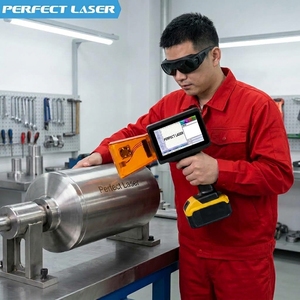
Within the aerospace supply chain around Toulouse, component marking and gasket cutting must comply with EN 9100 quality norms. K-Vision camera systems guide UV and fiber laser markers to apply permanent Direct Part Marking (DPM) DataMatrix codes onto curved titanium brackets, aluminum avionics enclosures, and composite insulation panels.
Subcontract manufacturing in Lyon and Saint-Étienne relies heavily on rapid sheet metal fabrication and membrane switch manufacturing. K-Vision enables high-speed laser cutting of complex polycarbonate control panels and automotive dashboard overlays, dynamically adjusting cut trajectories to compensate for screen-printing stretch.
From surgical instrument engraving in Alsace to high-volume technical textile cutting in northern France, K-Vision ensures sealed textile edges (preventing fraying on Kevlar and polyester filters) and sterile, corrosion-resistant passivated markings on stainless steel medical implants.
Under the French national investment framework "France 2030", industrial enterprises are receiving significant incentives to modernize production assets, reduce carbon footprints, and bring critical supply chains back onto domestic soil. Key technological and market trends shaping laser procurement in France include:
Traditional die-cutting punch presses require long setup lead times and expensive mechanical tooling that wears out quickly. Vision-guided laser cutters remove tooling overhead entirely. French job shops can switch between custom short-run jobs in seconds by opening a digital DXF file, saving up to 18% in material scrap via optimized nesting algorithms.
With rising industrial electricity tariffs across Europe, French manufacturers are replacing aging CO2 glass-tube machinery with high-efficiency solid-state Fiber and MOPA lasers. Fiber laser engines convert wall-plug power into usable beam energy at over 30% electrical efficiency, drastically reducing factory cooling requirements and operating costs.
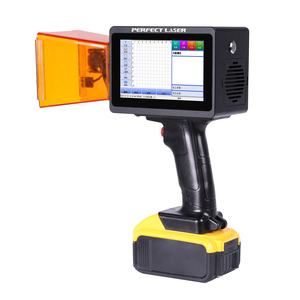
New EU environmental regulations mandate transparent lifecycle tracking for industrial products. High-speed laser markers equipped with K-Vision alignment allow manufacturers to etch high-density QR codes and ISO-compliant DataMatrix marks onto raw metal parts at line speed, establishing full traceability from raw material to recycling.
Clear, direct technical answers for French procurement teams, factory managers, and import logistics specialists.
Connect with our senior technical engineering team today. Request a full technical catalog, request a cut time study on your sample materials, or discuss local French distribution options.
Get Catalog