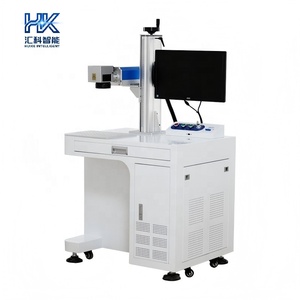
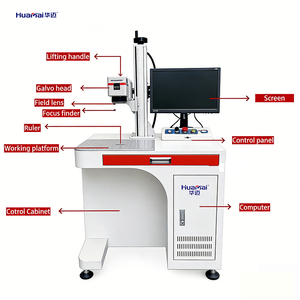
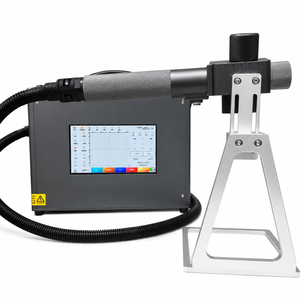
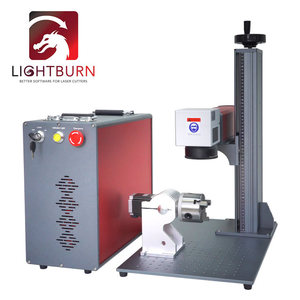
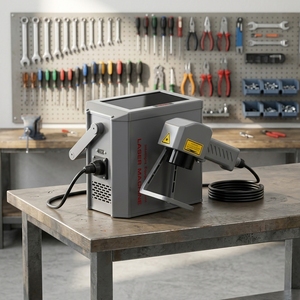
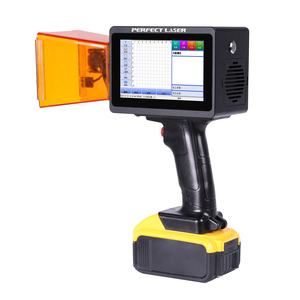
The processing of natural and synthetic leather substrates via photonics represents a major operational shift away from mechanical die-cutting, rotary blade slitters, and chemical hot-stamping. As a leading global leather laser factory and exporter, our engineering teams design systems centered around the photothermal and photochemical interaction dynamics unique to organic collagen matrices and synthetic polymer coatings.
Leather is a non-homogeneous material. Natural hides (bovine, caprine, ovine) consist of a dense grain layer supported by a fibrous corium network composed primarily of Type I collagen fibers. When laser energy strikes the surface, energy absorption is governed by the laser wavelength. CO₂ lasers operating in the 10.6 µm wavelength band match the molecular resonance peaks of water and carbon-hydrogen bonds within organic collagen. This leads to near-instantaneous vaporization (photothermal ablation) with minimal surrounding thermal conduction when pulsed correctly.
Information Gain Insight: Standard continuous-wave (CW) lasers create an expanded Heat-Affected Zone (HAZ), resulting in rigid burnt edges, charring, and unpleasant smoke odors. Our Super-Pulsed CO₂ and MOPA Fiber laser architectures utilize microsecond to nanosecond pulse widths to vaporize substrate material faster than thermal energy can transfer across cell boundaries—maintaining the natural flexibility, aroma, and hand-feel of premium leather.
For synthetic leathers including Polyurethane (PU), Polyvinyl Chloride (PVC), and bio-based vegan leathers (apple, mushroom, pineapple fiber substrates), thermal control is critical. Excess heat on PVC releases hazardous hydrogen chloride gas and degrades structural backing. Our 355nm UV Cold Laser and variable-pulse MOPA Fiber Laser systems break chemical bonds directly via high-energy ultraviolet photons (photochemical processing) rather than thermal melting, eliminating toxic fumes and molten edge buildup.
Selecting the optimal laser source configuration depends heavily on your factory's specific material mix, processing speed targets, and desired finish quality.
| Laser Source Type | Wavelength | Primary Substrate Compatibility | Edge Quality & Finish | Processing Speed | Optimal Application |
|---|---|---|---|---|---|
| Super-Pulsed CO₂ | 10.6 µm | Top-Grain, Split, Suede, Nubuck, Wood | Clean / Low Char | Ultra-High (Up to 2,000mm/s) | Large-format cutting, panel perforation, debossing effect |
| MOPA Fiber (JPT M7) | 1064 nm (1-400ns) | Chrome-Tanned, Dark PU, Metallic Foils | Precision Tactile | High Speed Scanning | Micro-logo etching, high-contrast branding, metal hardware |
| UV Cold Laser | 355 nm | Sensitive PU, PVC, Ultra-Thin Synthetic Foils | Zero Thermal Damage | Medium / High Precision | Luxury goods micro-engraving, medical/cosmetic leather pouch coding |
| Standard Q-Switched Fiber | 1064 nm | Heavy Synthetic Leather, Metal Accessories | Moderate Heat Zone | High Speed | Part serialization, hardware laser marking, barcode printing |
As international environmental standards (such as EU REACH, ZDHC, and carbon footprint reduction mandates) tighten across footwear and automotive interior supply chains, enterprise buyers are restructuring their equipment procurement strategies. Traditional leather finishing methods involving solvent dyes, chemical embossing rollers, and water-intensive tanning baths are actively being phased out.
Building high-performance industrial laser machinery requires vertical integration, deep precision manufacturing expertise, and uncompromised component selection. Engineered with a heritage dating back to 1982, our machines are designed, welded, assembled, and tested in strict compliance with ISO 9001 and international safety standards.
Engineered and serviced directly in-house. Our super-pulsed laser source configurations carry a 3-year factory warranty, providing up to double the operational lifespan of standard glass tube sources.
Stress-relieved, fully welded steel frames paired with ground linear guide rails and closed-loop servo drives ensure ±0.001" positional repeatability over 24/7 continuous shift operations.
Proprietary KCAM suite integrates nesting algorithms, material pulse libraries, fume extraction trigger controls, and K-Vision automatic optical registration for printed leather goods.
Send us your specific leather substrates (natural hides, PU, microfibers, or technical textiles). Our laser application engineers will perform speed and quality test runs, return processed samples, and provide a full ROI engineering proposal.
Inquire Now