Factory-Direct Export Platform for Global Manufacturing, Precise Marking, Engraving, and Cutting Solutions
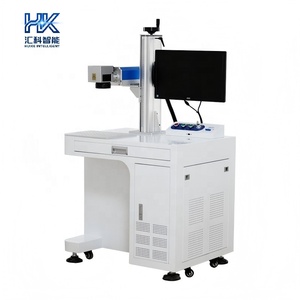
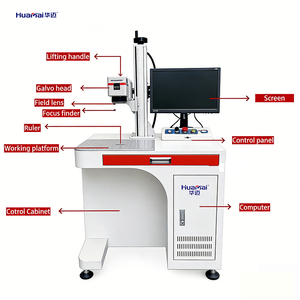
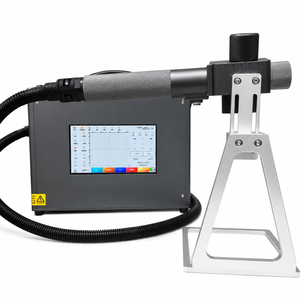
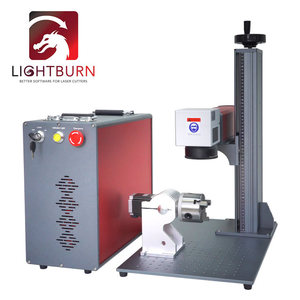
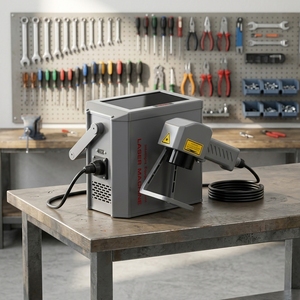
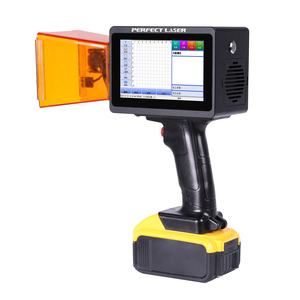
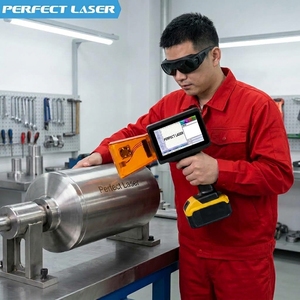
Over the past decade, the global manufacturing landscape has undergone a monumental shift toward automated photonic processing. At the core of this transition lies the industrial laser source—specifically glass CO2 discharge tubes, RF metal slab laser resonators, and solid-state fiber laser engines. China has established itself as the single largest production and exporting hub for laser tubes and laser integration systems, accounting for over 65% of global market distribution across North America, Europe, Latin America, and Southeast Asia.
For international machine builders, procurement directors, and regional distributors, navigating the spectrum of China laser tube exporters requires a deep understanding of optical physics, gas mixture chemistry, glass-to-metal vacuum sealing technology, and catalyst lifetime stabilization. Selecting an exporter is no longer merely a transaction based on initial unit cost; it is an audit of manufacturing repeatability, beam mode stability (TEM00 purity), thermal lensing mitigation, and export compliance logistics.
Key Technical Insight: The transition from basic glass tube manufacturing to advanced catalyst-coated glass cavity designs has extended CO2 laser tube lifespans from 3,000 hours up to 10,000+ operational hours, bridging the performance gap with RF metal laser sources at a fraction of the capital expenditure.
This comprehensive technical whitepaper presents an operational framework for evaluating China laser tube manufacturers and system exporters. By examining structural engineering benchmarks, optical output physics, future technology roadmaps, and strategic procurement trends through 2030, buyers gain the decision-making clarity required to secure supply chain resilience and maximize total return on investment (ROI).
Understanding the optical physics and mechanical design of exported laser tubes is critical for pairing the correct photon generator with specific material processing applications. Top tier Chinese exporters manufacture and integrate three primary classes of laser resonators:
Utilizes a three-layer glass tube architecture (discharge tube, water-cooling jacket, and gas storage chamber). Operating at 10.6 µm wavelength, these tubes excel in non-metal cutting and engraving (acrylic, wood, leather, textiles, packaging). Advanced exporters apply internal gold-coating and rare-earth catalysts to maintain gas activity.
Solid-state fiber laser engines (including JPT, Raycus, and Maxphotonics modules) utilize Ytterbium-doped optical fibers pumped by semiconductor diodes. Offering electrical conversion efficiency >30% and zero optical alignment maintenance, they dominate metal sheet cutting and high-speed industrial marking.
Master Oscillator Power Amplifier (MOPA) systems allow independent adjustment of pulse duration (1 ns to 500 ns) and frequency. This enables black marking on anodized aluminum and color marking on stainless steel. UV 355nm lasers deliver "cold processing" with minimal heat-affected zones (HAZ) for delicate plastics and glass.
| Laser Source Technology | Wavelength | Beam Quality (M²) | Typical Lifetime | Primary Target Materials | Procurement Cost Profile |
|---|---|---|---|---|---|
| Glass Sealed CO2 Tube | 10.6 µm | 1.1 – 1.3 | 6,000 – 10,000 hrs | Acrylic, Wood, Fabrics, Leather | Low CapEx |
| RF Metal Slab CO2 | 10.6 / 9.3 µm | 1.05 – 1.2 | 40,000+ hrs (Refillable) | High-speed Medical, Electronics | Medium CapEx |
| CW Fiber Source | 1064 nm | 1.05 – 1.4 | 100,000 hrs | Carbon Steel, Stainless, Brass, Al | Medium CapEx |
| MOPA Pulsed Fiber | 1064 nm | 1.1 – 1.3 | 100,000 hrs | Plastics, Anodized Al, Dark Metal | High Precision |
| Solid-State UV Laser | 355 nm | < 1.2 | 20,000 hrs | Cosmetic Bottles, PCB, Micro-glass | Specialized |
The industrial laser source sector is undergoing rapid technology convergence driven by automated manufacturing, micro-electronics packaging, and heavy metal fabrication demands. Leading Chinese exporters are expanding beyond basic component assembly into full optical spectrum engineering. Key trends reshaping the product landscape include:
To compete with entry-level fiber cutters in thick non-metal and thin sheet metal hybrid cutting, Chinese exporters are pushing sealed CO2 glass tubes up to 600W and 800W super-pulsed outputs. By utilizing radio-frequency pulse modulation combined with high-flow water cooling jackets, these sources deliver high peak power for rapid piercing while preventing edge charring in dense hardwoods and heavy acrylics.
Next-generation laser tubes and system enclosures are integrating embedded sensor arrays that track gas pressure, optic temperature, cooling water flow rates, and real-time beam power output. This data feeds into CNC controllers (such as KCAM systems) to perform predictive maintenance alerts before beam degradation affects production tolerances.
Industrial users are aggressively demanding reduced floor footprints. Exporters are shifting from bulky external water chillers toward integrated air-cooled thermal dissipation designs—particularly in portable marking machines (20W–50W fiber/UV) and desktop engravers. Highly efficient semiconductor cooling modules allow continuous operation in environmental temperatures up to 35°C without thermal lensing distortion.
Traditional Q-switched fiber lasers suffer from fixed pulse widths, causing heat distortion on delicate plastics and thin foils. Advanced MOPA fiber sources allow operators to tweak pulse duration down to 1 ns. This precise energy control unlocks vivid spectrum color marking on titanium and stainless steel while achieving deep dark, melt-free markings on ABS and polycarbonate packaging.
International procurement managers sourcing laser tubes and turnkey laser systems from China are moving beyond simple FOB pricing metrics. Strategic buyers evaluate total life-cycle economics, freight vulnerability, and vendor support protocols. Key procurement trends include:
Glass CO2 laser tubes are fragile instruments susceptible to resonant vibration and impact during ocean or air transit. Leading China exporters now utilize custom-molded high-density EPE foam enclosures, vacuum-sealed moisture barrier bags, and double-corrugated wooden export crates equipped with tilt-and-shock indicator sensors (e.g., ShockWatch). This engineering reduces transit damage rates to below 0.3% globally.
Top-tier exporters provide comprehensive quality control certificates with every unit shipped. This includes:
To eliminate prolonged machine downtime, global buyers prefer modular machine architectures. Power supplies (flyback transformers), optics mounts, galvo heads, and laser sources now feature standardized industrial quick-connect fittings and uniform wiring harnesses. This allows local technicians to swap out components in under 30 minutes with basic tools.
Partnering with an established Chinese laser exporter grants international buyers access to advanced manufacturing capabilities engineered to meet Western industrial standards. Grounded in decades of precision machine building—echoing the rigorous manufacturing standards of legacy builders like Minnesota-based Kern Laser Systems—top Chinese exporters combine cost-effective production with uncompromising quality assurance.
Machine beds undergo full high-temperature annealing and vibration stress relief to prevent frame warping over decades of continuous operation. Precision linear guide mounting surfaces are CNC-milled in a single pass to guarantee motion straightness within ±0.01 mm.
Laser tube sealing, mirror alignment, and galvo scanner assembly take place in ISO Class 6 dust-free cleanrooms. This prevents micro-dust contamination on output couplers and total reflectors, averting optical burn-in failure modes.
Export clients receive direct access to optical and software technicians. Remote desktop diagnostics, custom parameter library setups for exotic materials, and comprehensive spare-parts dispatch networks ensure smooth commissioning and long-term operating uptime.
Below are clear technical answers to the most common questions encountered by purchasing teams, OEM integrators, and plant engineers during the laser tube and machine procurement process.
Connect directly with our senior application engineers to request technical datasheets, request material test samples, or obtain factory-direct OEM pricing catalogs.
Get Catalog