Explore our high-performance laser marking, cutting, and engraving machinery engineered for 24/7 continuous industrial throughput, tight tolerance repeatability, and multi-material flexibility.
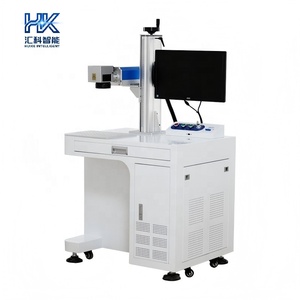
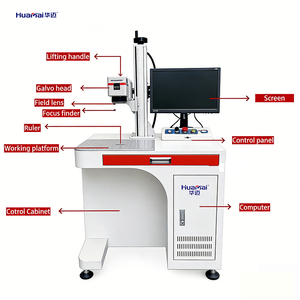
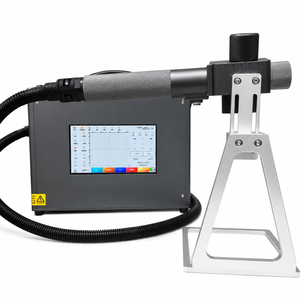
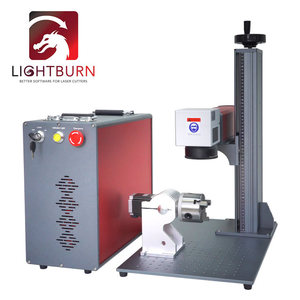
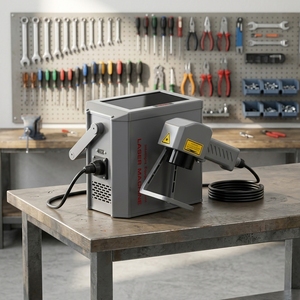
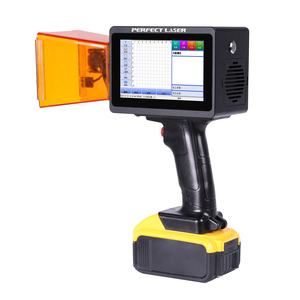
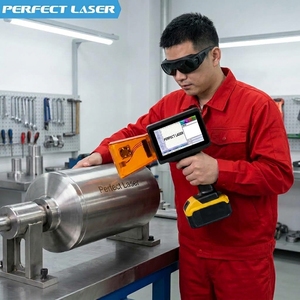
Selecting an industrial sheet metal laser cutting or high-speed marking factory requires looking beyond superficial peak-power wattage metrics. True manufacturing efficiency, edge squareness, and long-term kinematic accuracy stem from structural rigidity, thermal management, laser beam parameter product (BPP), and motion controller synchronization.
Top-tier factories utilize heavy-duty tubular steel or cast iron beds undergoing thermal annealing at 600°C followed by vibration stress relief. This eliminates structural memory, preventing gantry twist and maintaining ±0.001" accuracy over decades of 2G acceleration.
Leading manufacturers match laser sources (JPT, Raycus, IPG, MAX) with precision optics. A low Rayleigh length and optimized Beam Parameter Product (BPP) deliver maximum energy density at the focal point, reducing dross and thermal distortion on thin and thick sheet goods.
Hardware capability is limited without intelligent software. Advanced algorithms handle real-time nesting, dynamic assist gas modulation, and camera registration (K-Vision) to automatically adjust tool paths for warped or pre-printed sheet media.
Understanding the operational parameters across different industrial laser engines is crucial for calculating Total Cost of Ownership (TCO) and return on investment (ROI).
| Laser Source Architecture | Primary Sheet Materials | Wall-Plug Energy Efficiency | Maintenance & Consumable Cost | Ideal Application Intent |
|---|---|---|---|---|
| Fiber Laser (1kW - 12kW+) | Stainless Steel, Carbon Steel, Aluminum, Brass, Copper | 30% - 40% (Ultra High) | Extremely Low (No optical mirrors, sealed fiber) | High-speed sheet metal fabrication, thin-to-medium plate cutting. |
| Super-Pulsed CO2 Laser (150W - 800W) | Cast Acrylic, Wood, MDF, Rubber, Foam, Mixed Synthetics | 10% - 15% (Standard) | Moderate (Refractive optics gas refill schedules) | Thick non-metal sheet cutting, polished edge acrylic, architectural signage. |
| JPT MOPA Fiber (20W - 100W) | Anodized Aluminum, Stainless, Plastics, Bare Metals | 35% - 45% (High Efficiency) | Negligible (Solid-state semiconductor design) | High-contrast vector coding, color marking on stainless, sensitive plastic parts. |
| UV Cold Laser (355nm) | Glass, Cosmetic Packaging, Delicate Polymers, Silicon | 15% - 20% (Targeted) | Low-to-Moderate (Precision crystal optics) | Zero thermal impact marking, micro-electronics, luxury cosmetic containers. |
Modern sheet laser cutters are rapidly moving away from standalone operation. Industrial buyers are prioritizing platforms integrated with dual-table hydraulic shuttle beds (like the OptiShuttle), automated material loading arms, and real-time ERP cloud reporting to maximize spindle time and minimize operator idle hours.
To maximize facility floor space, top sheet laser manufacturers are delivering dual-source gantries. A single machine platform housing both a 400W Super-Pulsed CO2 tube and a 3kW Fiber laser engine allows continuous switching between thick organic acrylics and reflective sheet metals without re-fixturing.
With international supply chain regulations mandating direct part marking (DPM) and ISO 9001 barcode permanence, pulse-width adjustable JPT M7 MOPA fiber lasers and 355nm UV cold lasers are replacing traditional inkjet and mechanical stamping in medical, automotive, and defense industries.
Assist gas (Nitrogen and Oxygen) accounts for up to 40% of sheet metal cutting variable costs. Next-generation laser heads incorporate closed-loop distance sensors and dynamic pressure modulation, slashing gas consumption by 25% while auto-correcting focal height over warped sheets.
Since 1982, our engineering team in Minnesota, USA, alongside global strategic OEM manufacturing hubs, has delivered robust industrial laser platforms to manufacturers in over 50 countries. Every frame is hand-welded, precision-machined, and subjected to rigorous 72-hour burn-in stress testing before dispatch.
Send us your specific sheet metal or non-metal stock. Our application engineers will process sample cuts and provide a full edge quality & time report.
Get a QuoteKey insights for factory procurement officers, plant managers, and equipment buyers.
Top-tier manufacturers invest heavily in structural frame stress-relieving (annealing beds), precision ground helical rack-and-pinion kinematics, closed-loop servo feedback, and custom optical path purging. Budget assembly shops often bolt optical components onto unannealed frames, leading to alignment drift, rapid lens degradation, and jagged edge cuts within 12–18 months of intensive production.
Fiber lasers operating at 1.06µm wavelength are highly absorbed by metals (carbon steel, stainless, aluminum, brass, copper), making them 3x faster and significantly cheaper to run for sheet metal fabrication. CO2 lasers operating at 10.6µm are absorbed by organic materials and acrylics, producing polished flame edges on cast acrylic, wood, and packaging foams where fiber lasers cannot cut effectively.
JPT M7 MOPA fiber sources allow independent adjustment of pulse frequency and pulse duration (from 2ns to 500ns). This flexibility allows operators to mark black high-contrast graphics on anodized aluminum, perform true color marking on stainless steel, and engrave sensitive plastics without burning or distorting the material substrate.
Oxygen (O2) is typically used for exothermic cutting of carbon steel, lowering required laser power but leaving an oxidized edge. Nitrogen (N2) or high-pressure dry shop air is used for oxide-free bright edges on stainless steel and aluminum, ideal for immediate downstream welding or powder coating.
All machines come standard with a comprehensive factory warranty (up to 3 years on proprietary CO2 laser engines and fiber source modules). Technical support is delivered via remote diagnostics, spare-parts dispatching within 24–48 hours, and on-site engineering assistance through our certified international distributor network.
Contact our industrial laser specialists today for customized engineering quotes, live online video demonstrations, or factory throughput analysis.