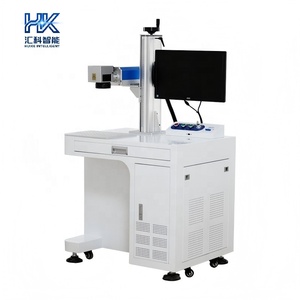
Explore our top-tier OEM/ODM laser platforms designed for industrial wood engraving, precision cutting, high-speed marking, and automated production environments.
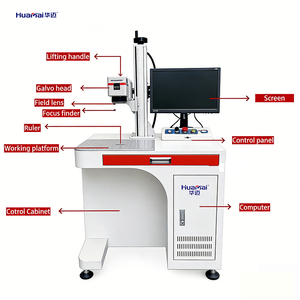
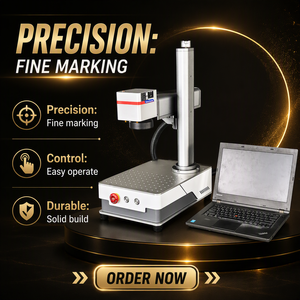
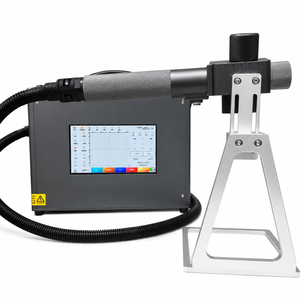
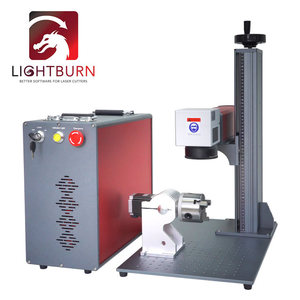
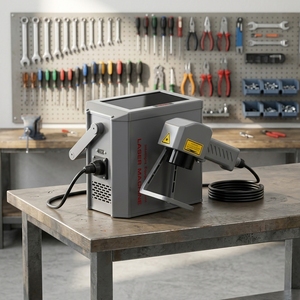
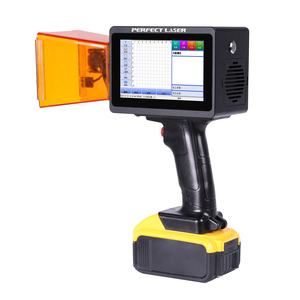
Industrial processing of organic timber, high-density fiberboard (MDF), Baltic birch plywood, and natural veneers requires a profound understanding of organic thermal decomposition. Unlike metals—which melt and vaporize under concentrated photon streams—wood materials undergo complex pyrolytic reactions. The chemical composition of wood (comprising roughly 40-50% cellulose, 20-30% hemicellulose, and 20-30% lignin) responds dynamically to laser wavelengths.
CO2 Lasers operating at 10.6 micrometers (μm) remain the undisputed gold standard for wood fabrication. This specific far-infrared wavelength aligns perfectly with the molecular absorption spectrum of cellulose and water molecules present in natural timber. When the 10.6 μm beam impacts the wooden substrate, rapid sublimation occurs: the solid wood instantly transforms into gaseous resin vapors and micro-particulates without transitioning through a liquid phase. This precise sublimation prevents moisture expansion, micro-cracking, and structural warping across the material’s grain structure.
High-volume OEM/ODM buyers frequently encounter two main failure points when utilizing generic laser cutters: excessive carbonization (charring along the cut edge) and wide, tapered kerf geometries. In continuous multi-shift production, severe carbonization compromises adhesive bonding during secondary assembly processes, such as furniture joinery or architectural marquetry inlay.
To overcome these operational bottlenecks, our OEM/ODM manufacturing architecture incorporates super-pulsed RF laser sources paired with coaxial high-pressure gas assist jetting. By delivering short duration, ultra-high-peak power laser bursts (pulsing up to several kilohertz), the thermal energy vaporizes the wood fiber before thermal conduction can spread heat into the adjacent Heat-Affected Zone (HAZ). Combined with nitrogen or clean dry air (CDA) assist gases delivered at up to 60 PSI through a conical high-velocity nozzle, gaseous resins are ejected immediately from the kerf pocket. The outcome is a clean, honey-colored or light brown edge requiring zero post-process sanding or manual cleaning.
| Laser Source Type | Wavelength | Primary Substrates | Cutting Thickness (Max) | HAZ / Edge Char Quality | Ideal OEM/ODM Application |
|---|---|---|---|---|---|
| Super-Pulsed RF CO2 | 10.6 μm | Hardwood, Baltic Birch, MDF, Acrylic, Foam | Up to 1.25 inches (32mm) | Ultra-Low (Honey Edge) | Large Format Furniture, Architectural Panels |
| DC Glass Tube CO2 | 10.6 μm | Plywood, Balsa, Cardboard, Leather | Up to 0.75 inches (19mm) | Moderate (Dark Brown) | Entry-Level Craft, Prototype Cutting |
| MOPA Fiber Laser | 1064 nm | Metals, Plastics, Dark Wood Marking | Surface Marking Only | Zero (Cold Surface Reaction) | High-Speed Logo Branding, Serial Numbers |
| Solid-State UV Laser | 355 nm | Thin Veneers, Packaging, Glass, UV Plastics | Up to 1.0mm Micro-Cut | Zero (Photochemical Cold Cut) | Cosmetic Packaging, Ultra-Fine Inlay Work |
| Hybrid CO2 + Fiber Gantry | 10.6 μm + 1064nm | Wood Inlaid with Stainless/Brass Accents | Dual-Capability Cutting | Optimized per Material Head | Custom Luxury Automotive & Yacht Tooling |
As smart manufacturing transforms traditional woodworking, OEM/ODM buyers must align their machinery procurement with next-generation technological shifts.
Modern high-end wood fabrication is moving away from fixed coordinate cutting. Integrated high-resolution vision systems (such as K-Vision dynamic alignment) capture organic wood grain patterns, surface knots, and pre-printed graphics in real time. The algorithm automatically deforms or realigns the vector cut paths to compensate for natural material expansion, grain distortion, or non-linear sheet distortion.
To eliminate spindle and beam idle time during material loading, future sourcing heavily favors twin-table pallet shuttle configurations. While the enclosed laser gantry cuts a 5x10 ft sheet of hardwood inside a Class 2 safety housing, operators safely unload finished components and reload fresh stock on the external shuttle stage, raising net factory throughput by over 75%.
Procurement teams are shifting toward smart connected machinery. Modern OEM systems incorporate embedded sensors tracking laser tube pressure, RF power decay, optic temperature, and mirror alignment. Factory maintenance managers receive automated alerts via Modbus/TCP or OPC-UA protocols before catastrophic failure, drastically reducing unplanned downtime.
With over four decades of dedicated laser machine manufacturing experience, our production plant operates as a vertical manufacturing powerhouse. From structural tubular frame welding to in-house RF CO2 laser source development, we offer uncompromised build quality for global OEM partners.
Clear technical guidance to assist procurement specialists, factory managers, and system integrators during equipment evaluation.
RF (Radio Frequency) metal tube lasers utilize high-frequency electrical pulses to excite gas mixtures, allowing for rapid beam switching, microscopic spot sizes, and high frequency modulation (up to 25kHz+). This results in faster cutting speeds, minimal edge charring, and smooth raster engraving on wood. In contrast, DC glass tubes rely on high-voltage direct current with slower pulse response times, leading to higher thermal diffusion, darker edge burns, and shorter tube lifespans (typically 2,000–4,000 hours vs. 20,000+ hours for RF metal tubes).
Yes. Through our hybrid OEM gantry architecture (such as the OptiFlex Hybrid configuration), we integrate both a super-pulsed CO2 laser source (150W–800W for wood, acrylic, and foam) and a fiber laser source (1kW–3kW for stainless steel, aluminum, and brass) onto a single linear motor gantry. The machine controller seamlessly switches between focal heads depending on the layer data in the CAD design file.
Our factory provides comprehensive ODM/OEM private-label programs. This includes custom sheet metal exterior design, specialized powder-coat paint color matching, custom-branded KCAM control software splash screens, localized operator manuals, compliance labeling (FDA, CE, UKCA), and custom bed size configurations tailored to regional sheet stock dimensions (e.g., 4x8 ft or 5x10 ft).
High-pressure clean air assist serves a dual purpose. Thermally, it forcefully blows sticky wood resins, smoke, and combustible volatile organic compounds (VOCs) out of the kerf pocket, preventing edge burning and fire hazards. Optically, positive air pressure flowing down through the specialized nozzle tip creates an air barrier that prevents corrosive smoke particulate from back-flowing into the laser head lens chamber, extending focusing optic lifespan by up to 300%.
Wood laser processing produces fine wood dust particulates, carbon soot, and gaseous formaldehyde resin fumes (especially when processing MDF or exterior-grade plywood). Factory installations require a multi-stage downdraft exhaust plenum coupled with an industrial fume extractor featuring spark arrestor baffles, HEPA particulate filters (rating H13/H14), and heavy-bed activated carbon filters to absorb organic gases prior to room recirculation or outdoor venting.
Contact our senior engineering team today to request material sample cut testing, obtain CAD foundation layouts, or discuss custom OEM/ODM machine specifications.