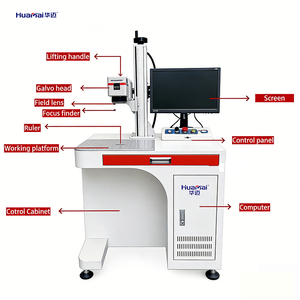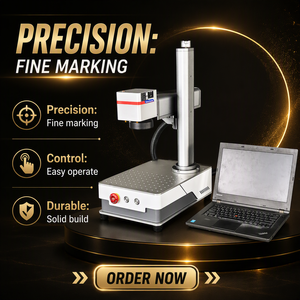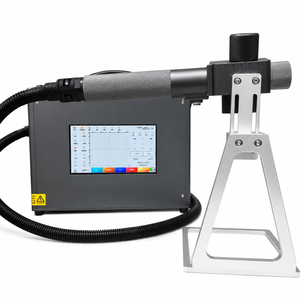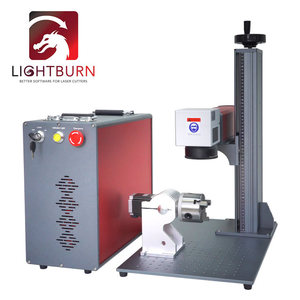
Explore our top-tier catalog of precision fiber, CO2, and UV laser machinery built for round-the-clock textile processing, hardware marking, and industrial coding.
As a pioneer in large-format laser cutting and industrial marking technologies, our global OEM/ODM manufacturing capability bridges decades of Minnesota machine-building heritage with agile contract manufacturing. Every machine frame is precision-welded, stress-relieved, and laser-aligned to guarantee ±0.001" positional repeatability under multi-shift factory stress.
Unlike assemblers relying on off-the-shelf light gantries, our factory builds industrial CO2 laser sources (from 150W up to 800W super-pulsed) and integrates high-efficiency Fiber and UV engines natively. We serve tier-1 garment accessory producers, automotive technical textile manufacturers, aerospace tooling plants, and global brand OEMs in over 50 countries.
Laser technology revolutionizes modern textile and industrial manufacturing by eliminating mechanical blade wear, sealing synthetic fibers on contact, and enabling intricate contour cuts through vision-guided automation.
Laser processing of polyester, nylon, Cordura, and Kevlar generates instantly thermal-sealed edges. This process halts edge fraying completely, making it ideal for activewear, sportswear, military gear, and high-volume garment trimming.
Engineered for cutting airbag fabrics, acoustic insulation felts, ceiling linings, and carbon fiber weaves. Large-format flatbeds combined with conveyor feeding ensure continuous, distortion-free feeding straight off the roll.
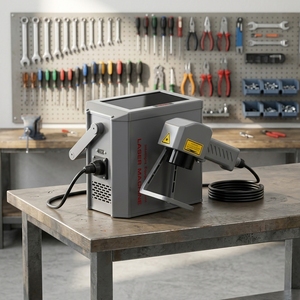
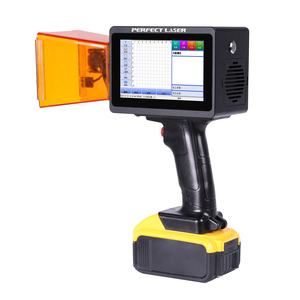
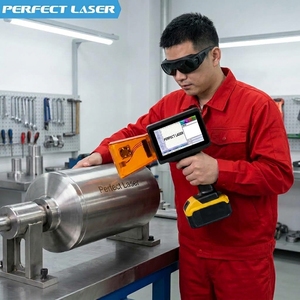
High-speed galvo marking systems (Fiber, MOPA, UV, CO2) perform non-contact serial number engraving, QR code creation, and decorative logo etching across leather, zippers, metal rivets, and cosmetic packaging.
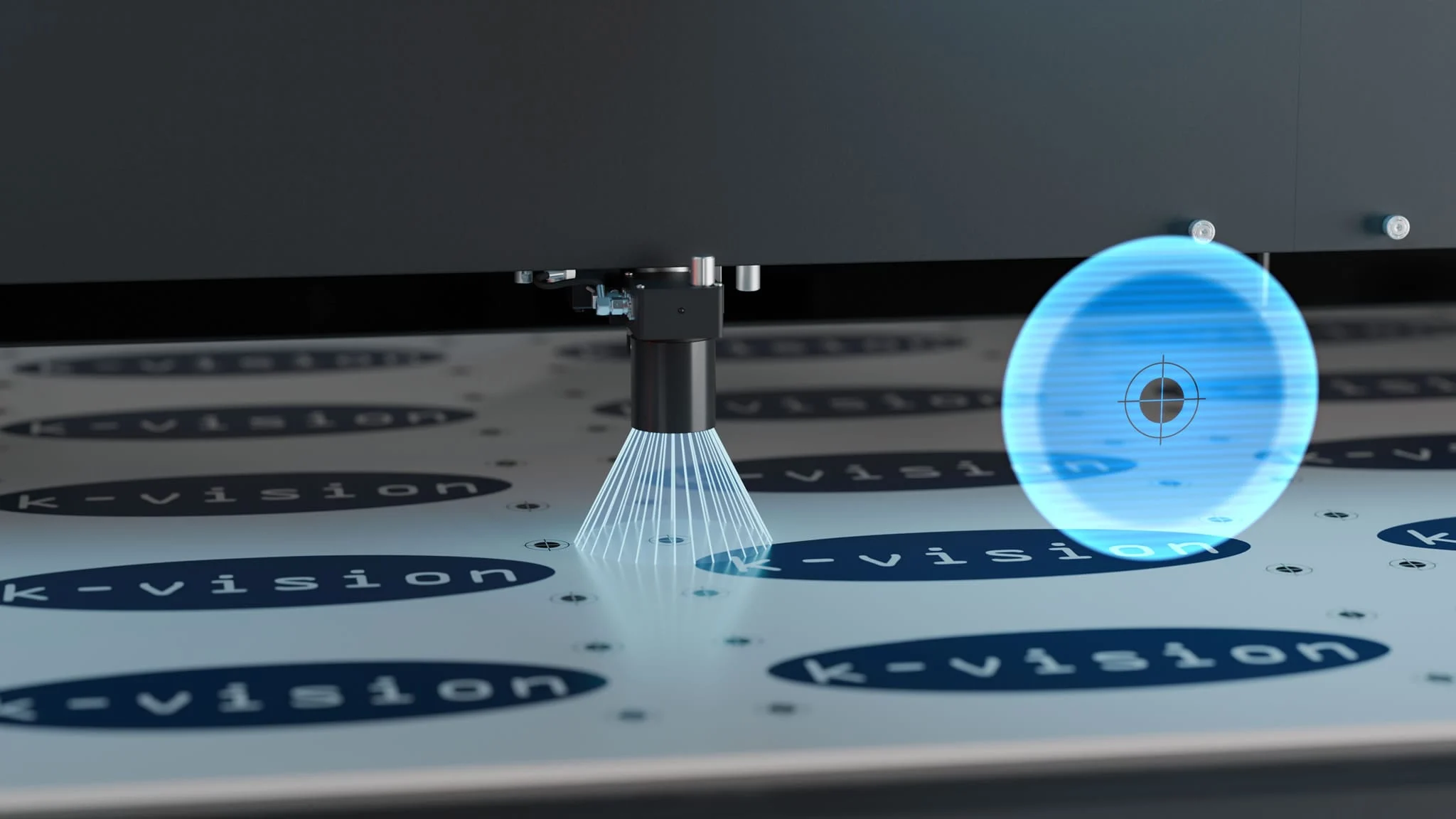
In textile printing, dye-sublimation, and embroidered patch manufacturing, stretch and material distortion are common challenges. Our proprietary K-Vision Camera System automatically scans registration marks on the fly, calculating linear deformation, rotation, and skew in real time.
As global textile supply chains undergo digital restructuring, chief procurement officers (CPOs) and plant directors are shifting strategic priorities toward high-efficiency, sustainable, and customizable laser automation.
Manual single-sheet loading is rapidly being phased out in industrial textile processing. Sourcing managers now prioritize roll-fed conveyor tables integrated with auto-unwinders and tension-control systems. This transformation eliminates downtime between cutting cycles, turning laser cutters into continuous production lines.
Factories no longer want single-material dedicated units. The demand for OEM/ODM hybrid gantries—housing both CO2 laser tubes (for organic/synthetic fabrics) and Fiber laser heads (for metal grommets, zippers, and hardware)—allows operators to process multi-material assemblies on a unified platform.
Traditional fabric finishing, denim washing, and chemical etching face strict environmental regulations due to toxic wastewater discharge. Laser marking and cutting eliminate water usage, chemical dyes, and mechanical knife disposal, making laser adoption a core driver for corporate ESG compliance.
| Laser Technology Type | Primary Target Substrates | Thermal Edge Sealing Effect | Energy Efficiency | Ideal Factory Application |
|---|---|---|---|---|
| Super-Pulsed CO2 (10.6 µm) | Synthetics, Acrylic, Wood, Leather, PE Foam | Superior Edge Seal | Moderate (RF Metal Tube) | Textile Roll Cutting, Signage, Filters |
| Fiber / MOPA (1064 nm) | Stainless, Aluminum, Zippers, Plastics | N/A (Metal Melting) | Ultra-High (>30%) | Hardware Marking, Industrial Coding |
| UV Cold Laser (355 nm) | Sensitive Polymers, Thin Films, Packaging | Zero Thermal Damage | High (Air Cooled) | Cosmetic Packaging, Micro-Textiles |
| Dual-Head OptiDual Architecture | High-Volume Fabrics & Uniforms | Dual Edge Seal | 200% Throughput / Watt | Mass Garment Manufacturing |
Future-proofing industrial laser investment requires understanding where laser optics, motion control, and software intelligence are heading.
Next-generation laser cutting platforms integrate neural-network vision algorithms that inspect raw fabric rolls for weaving flaws, color splotches, or thread inconsistencies before making a single cut. The software dynamically calculates optimized nesting paths around fabric defects, rescuing material that would otherwise be scrapped.
The industry is transitioning away from bulky external water chillers toward high-wattage air-cooled MOPA and UV engines. By modulating pulse frequencies (1 kHz to 4000 kHz) and nanosecond pulse durations, these compact engines provide delicate marking on technical textiles without burning underlying fibers.
Through architectures like the OptiDual Multi-Head Platform, modern laser cutters mount two or three power-matched laser heads onto independent linear gantries. Operated via unified KCAM software, this enables identical parallel cutting of wide-format textile rolls, effectively multiplying factory output by 200% to 300% without doubling floor space.
Synthetic fabric cutting releases microscopic volatile organic compounds (VOCs). Modern OEM/ODM machines integrate smart downdraft vacuum beds and HEPA/activated carbon filtration units directly into enclosed Class 2 safety cabinets, meeting OSHA, CE, and European safety standards for cleanroom environments.
Technical, logistical, and operational answers for plant managers, sourcing directors, and OEM buyers.
A CO2 laser (operating at 10.6 µm wavelength) cut synthetic materials like polyester, nylon, and polypropylene by melting the fiber along the cut path. This instant localized heat seals the edge, preventing fraying completely. Mechanical dies, rotary knives, or blades dull quickly when cutting abrasive technical fabrics (like Kevlar or glass fibers), leading to frayed edges, material drag, and frequent blade replacement costs.
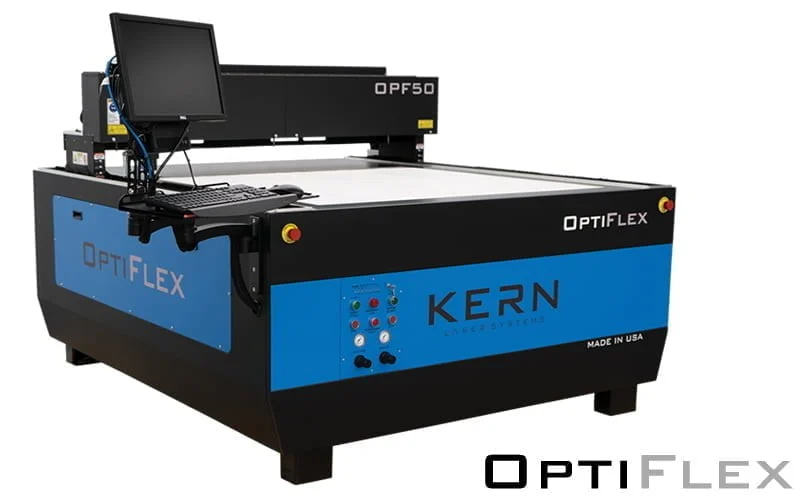
Yes. Our OEM/ODM factory custom engineers hybrid platforms (such as the hybrid OptiFlex system) that incorporate both a CO2 laser source (for cutting fabric, leather, acrylic, and wood) and a Fiber laser source (for metal marking, cut-outs, and zipper coding) on a single unified gantry. Alternatively, standalone desktop fiber or MOPA marking units can be paired alongside a main fabric cutter.
We provide full-spectrum turnkey OEM/ODM engineering, including: custom bed dimensions (up to 5x10 ft and extended pass-through beds), private-label chassis branding, custom color schemes, software UI localization, multi-head gantry configurations, roll-fed automatic conveyor systems, and custom power integrations (150W up to 800W CO2; 1kW to 3kW Fiber).
The K-Vision system uses high-resolution digital optics mounted adjacent to the laser focus head. As the fabric roll advances onto the bed, the vision software identifies pre-printed target marks. It automatically calculates non-linear warping, stretching, or rotational displacement and dynamically adjusts the vector cut file in real time to match the exact physical contour of the textile design.
All in-house engineered super-pulsed CO2 laser sources carry an industry-leading 3-Year Factory Warranty. Standard maintenance involves basic optic lens cleaning (zinc selenide lenses), mirror alignment checks, and replacing air filters in the downdraft exhaust system. Fiber laser sources are solid-state engines requiring zero routine optical maintenance, rated for up to 100,000 operational hours.
Our machinery complies fully with international safety standards, including FDA Class 1 (fully enclosed platforms like LaserCELL and FiberCELL) and Class 4 interlock-protected open bed machines with emergency shutoffs. All systems feature CE compliance markings, interlocked access panels, grounded heavy-duty steel frames, and integrated fume extraction ports.
Whether you require a custom OEM/ODM machinery build, high-volume contract laser processing, or direct factory pricing on our flagship fiber and CO2 platforms, our senior application engineers are standing by.