Explore our heavy-duty, high-accuracy industrial laser platforms engineered for acrylic fabrication, metal marking, packaging coding, and custom OEM integration.
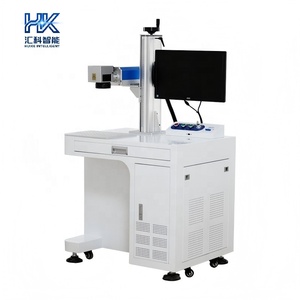
High-power industrial fiber marker for deep metal etching, fast acrylic surface ablation, and high-density plastic coding.
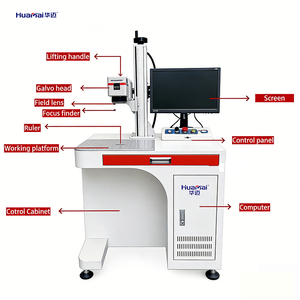
Dynamic pulse width adjustment enabling vibrant color titanium marking and delicate non-thermal plastic micro-engraving.
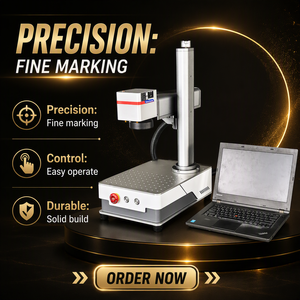
Space-saving benchtop setup delivering precision micro-part serialization, hardware etching, and acrylic tooling marking.
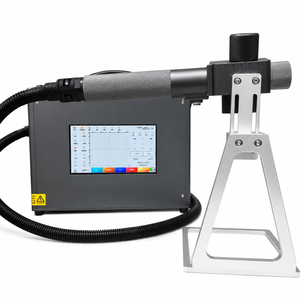
Ultra-lightweight optical head designed for on-site industrial tagging, bulky machinery labeling, and flexible acrylic panel work.
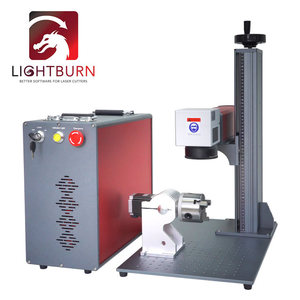
Wide 300x300mm field with 80mm rotary fixture, engineered for dual processing of organic polymers, acrylics, and metals.
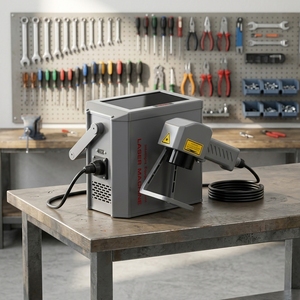
355nm ultraviolet wavelength delivering thermal-damage-free precision cutting and ultra-fine engraving on acrylic and cosmetics glass.
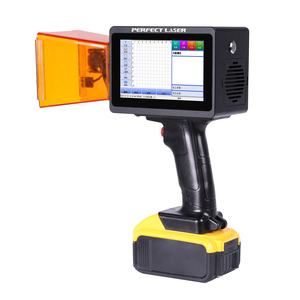
Untethered, long-battery-life laser coder ideal for permanent asset tagging on structural metals, plastics, and acrylic displays.
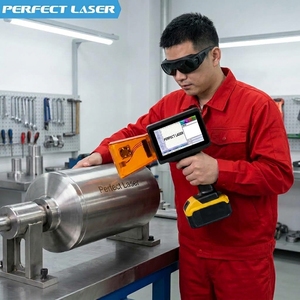
Ergonomic industrial handheld laser unit capable of high-contrast barcode generation on wood, acrylics, and structural polymers.
As international supply chains shift toward high-speed digital fabrication and localized custom manufacturing, the demand for high-performance custom OEM acrylic laser machinery has surged globally. Polymethyl Methacrylate (PMMA), widely known as acrylic, presents unique thermodynamic properties during thermal laser ablation. Achieving an optically clear, flame-polished edge directly off the cutting bed requires precise balance between optical wavelength selection, pulse energy density, motion gantry stability, and assist gas dynamics.
Information Gain Insight: Standard CO2 lasers operate at a 10.6 µm wavelength, which is absorbed near-perfectly by organic polymers like acrylic. However, sub-standard OEM gantries introduce micro-vibrations that cause optical striations along the edge. Enterprise-grade custom OEM laser machines overcome this using heavy-duty stress-relieved welded steel frames, closed-loop AC servo motors, and super-pulsed optical sources that minimize the Heat-Affected Zone (HAZ).
Traditional CNC routing of cast and extruded acrylic sheets necessitates secondary operations—including deburring, diamond polishing, and flame finishing—which significantly inflates cost per part. High-power CO2 and UV laser cutting systems accomplish material separation via direct photothermal vaporization. As the concentrated laser beam strikes the PMMA resin, it rapidly heats the polymer past its depolymerization threshold (~300°C to 400°C), converting solid resin into monomer vapor (MMA) without entering a prolonged liquid phase.
Instantaneous depolymerization leaves an optically smooth, crystal-clear edge straight from the bed, eliminating secondary manual polishing.
Non-contact photon delivery prevents structural micro-cracking, stress fracturing, or clamping deformation on thin or delicate acrylic parts.
With focused beam kerf widths down to 0.004 inches, complex geometric cuts, internal radii, and sharp corners are executed with absolute fidelity.
Selecting the optimal laser source and OEM machine build depends heavily on the intended raw material chemistry, sheet thickness, and operational environment. Below is our engineering benchmark for global OEM machine configurations:
| Laser Source Wavelength | Target Materials | Ideal Thickness Range | Key Process Advantage | Primary Industrial Sector |
|---|---|---|---|---|
| CO2 Super-Pulsed (10.6 µm) | Cast/Extruded PMMA, Hardwood, MDF, Foam | 1.0 mm – 30.0 mm | Glass-smooth polished edge, high volumetric throughput | Commercial Signage, POP Displays, Architectural Models |
| Fiber Laser (1064 nm) | Stainless Steel, Mild Steel, Aluminum, Brass | 0.5 mm – 12.0 mm | Extreme photoelectric efficiency, low operating cost | Enclosures, Sheet Metal Fabrication, Automotive Tooling |
| UV Cold Laser (355 nm) | Ultra-Thin Acrylic, Polycarbonate, Glass, Cosmetics | 0.05 mm – 2.0 mm | Near-zero thermal edge degradation, sub-micron precision | Medical Device Packaging, Micro-Electronics, Optics |
| MOPA Fiber (Adjustable Pulse) | Anodized Aluminum, Polymers, Metallic Foils | Surface Marking / Thin Cut | Tunable pulse width (2ns – 500ns) for color & non-burn marks | Consumer Electronics Marking, Aerospace Part Coding |
As international corporate buyers look to mitigate risk, optimize capital expenditure (CAPEX), and meet stringent environmental compliance rules (RoHS, CE, FDA Class 1/2), the landscape for purchasing industrial laser machinery from high-precision exporters is undergoing fundamental structural changes.
Modern production facilities no longer accept the inefficiency of maintaining completely separate machines for sheet metal bracketry and acrylic cover panels. Forward-thinking OEM exporters are leading the adoption of Hybrid Dual-Source Gantries. By mounting both a high-power Fiber laser head (for sheet metals) and a CO2 RF metal-tube laser source (for acrylics and wood) onto a single heavy-duty gantry frame, manufacturers cut floor footprint requirements by 40% while keeping gantry motion calibration identical across materials.
With wide-format digital printing dominating the graphic art and display industry, cutting pre-printed acrylic panels without registration distortion is a critical operational bottleneck. Next-generation OEM laser export systems feature integrated high-resolution overhead cameras combined with machine vision algorithms. This technology automatically scans fiducial marks on the acrylic sheet, calculates material stretch or thermal skew, and dynamically recalculates the laser vector path in real time.
Global procurement teams prioritize machinery exporters that offer long-term uptime guarantees. Modern OEM laser platforms now integrate real-time optical power sensors, chiller flow meters, and axis vibration transducers directly linked to IoT diagnostic portals. Exporter engineers in Minnesota or certified global centers can diagnose optical alignment, tube power decay, or servo tuning remotely—preventing unscheduled factory downtime.
Building high-precision, long-life laser machinery demands unyielding mechanical rigor. Derived from over four decades of North American engineering leadership in Wadena, Minnesota, our production philosophy eliminates common failure modes found in standard commodity machinery.
Our super-pulsed CO2 laser sources are engineered, manufactured, and serviced in-house, backed by an industry-leading 3-year factory coverage plan.
Stress-relieved, fully welded tubular steel beds eliminate thermal distortion and hold high axial precision under round-the-clock 3-shift operation.
From custom bed footprints (Micro 24"x24" to 5'x10'+) to specialized private-label branding, we build solutions tailored to your brand’s specifications.
Direct technical responses to common questions from enterprise procurement teams, machine integrators, and international distributors.
CO2 lasers produce a 10.6 µm infrared wavelength that is heavily absorbed by the molecular bonds of acrylic (PMMA). This leads to instantaneous thermal vaporization (photothermal ablation), creating a smooth, flame-polished edge without melting residual slag. In contrast, standard 1064nm Fiber lasers pass through transparent acrylic without processing it, or create erratic fractures on opaque colors due to inappropriate optical absorption rates.
Cast acrylic (produced in individual liquid monomer molds) features higher molecular weight and superior thermal tolerance, producing a brilliant frosted finish when laser engraved and an ultra-clear edge when cut. Extruded acrylic (continuous manufacturing roll) has lower internal tensile strength; it cuts faster with less required beam energy, but can retain slight burrs or sharp stress edges. Our custom OEM machines include pre-programmed material libraries in KCAM software to automatically adjust frequency and pulse width for both types.
Yes. As an established global machinery exporter, we offer complete white-label and OEM contract manufacturing programs. This includes custom powder-coat colorways, customized sheet metal enclosures, private-labeled software GUI interfaces, bespoke machine dimensions, and dedicated localized documentation to fit your brand identity seamlessly.
Every exported system can be engineered to meet fully enclosed Class 2 safety standards (such as our LaserCELL and FiberCELL platforms), complete with interlocked acrylic access windows, dual-circuit safety relays, and emergency shutdown integration compliant with European CE standards, US FDA CDRH regulations, and ISO 11553-1 laser machine safety protocols.
Standard OEM machinery builds require 4 to 8 weeks depending on bed customization and source selection. Export machines are anchored, vapor-sealed in barrier foil with desiccant packs, and enclosed inside heavy-duty ISPM-15 certified fumigated wooden crates designed for ocean container shipping or air freight. Factory Acceptance Testing (FAT) video logs and beam quality certification sheets are delivered prior to crate sealing.
Partner with an established industrial laser exporter. Send us your sample acrylic, wood, or metal stock for a complimentary factory cut analysis, video run-through, and complete technical proposal.