Precision-engineered optical fiber and cold UV laser markers tailored for high-speed hallmarking, deep relief engraving, and fine inner-ring rotary processing.
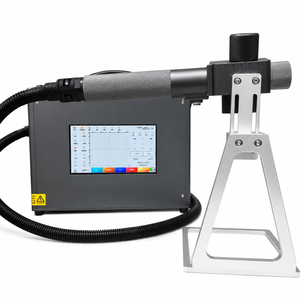
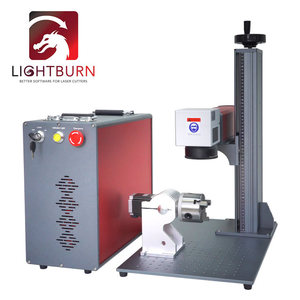
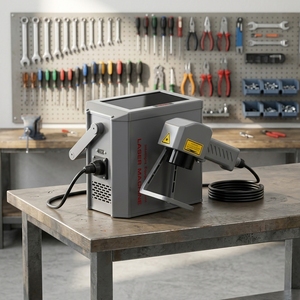
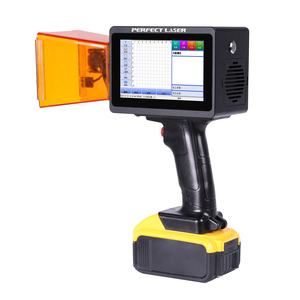
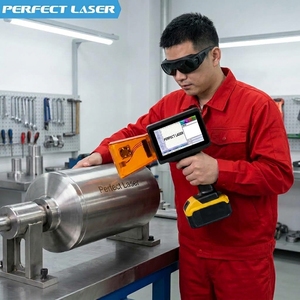
Delivering certified B2B industrial laser machinery from China's leading manufacturing hubs directly to international jewelry OEMs, distributors, and custom design houses.
The global jewelry manufacturing sector is undergoing a rapid technological transformation. Traditional mechanical pantographs, diamond drag cutters, and chemical etching methods are swiftly being superseded by advanced optical laser marking and deep-engraving systems. As global buyers navigate sourcing from China wholesale jewelry engraver factories and exporters, evaluating optical performance, beam quality ($M^2$), motion kinematics, and power stability becomes crucial to maintaining profit margins and product precision.
Selecting the optimal laser source architecture directly impacts output quality, material loss prevention, and processing speeds. The table below outlines the core technical metrics evaluating the three primary laser technologies supplied by leading Chinese exporter factories:
| Laser Technology | Wavelength | Pulse Width Range | Key Precious Metal Capabilities | Optimal Jewelry Use Cases |
|---|---|---|---|---|
| Standard Q-Switched Fiber | 1064 nm | 100 ns (Fixed) | High thermal transfer; ideal for stainless steel, brass, thick gold. | Bulk outer ring marking, general logo stamping, tag cutting. |
| JPT MOPA M7 Fiber | 1064 nm | 2 ns to 500 ns (Tunable) | Controlled thermal input; zero burn mark on silver; dark anneals titanium. | Micro-hallmarking (0.3mm), color engraving, thin gold foil cutting. |
| UV Cold Laser (DPSS) | 355 nm | < 15 ns | Photochemical "cold" ablation; absorption rate across metals > 80%. | Gemstone micro-inscribing, glass, acrylic, delicate enamel inlay. |
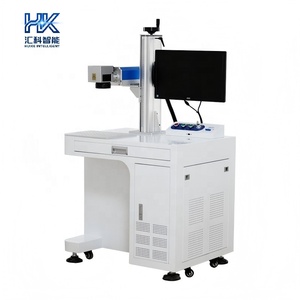
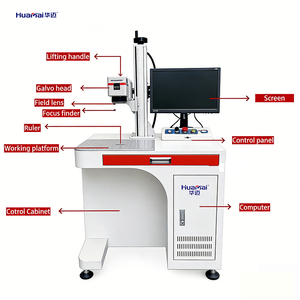
When high-density laser photons strike precious metals, material removal occurs through instantaneous vaporization rather than melting. Chinese export-grade jewelry engravers integrate specialized digital galvo scanners (such as SG7110 or high-speed RC1001 optical heads) capable of vector speeds up to 12,000 mm/s. Combined with specialized field lenses (F-Theta lenses with focal lengths ranging from F=100mm to F=160mm), the laser spot size can be focused down to an ultra-fine 15 microns.
Key innovations shaping international supply chains, automated factory floors, and B2B equipment purchasing decisions over the next five years.
Manual positioning of small jewelry pieces introduces costly human error. Modern Chinese export factories are standardizing high-resolution coaxial CCD camera positioning systems. The system automatically detects piece geometry, adjusts scale, compensates for tilt angle, and aligns vector artwork in milliseconds.
With gold and platinum prices reaching historic highs, metal dust loss during deep engraving represents direct revenue erosion. Future procurement mandates machines fitted with localized vacuum collection shrouds and high-efficiency HEPA filtration units capable of recovering up to 99.4% of vaporized precious metal dust.
B2B buyers are demanding modular systems. Retail jewelry stores and boutique custom shops require desktop units with footprint dimensions under 0.25 m². OEM manufacturers in China are responding with lightweight aluminum chassis, enclosed Class 2 safety shields, and air-cooled optical engines.
Sourcing directly from established Chinese laser engraver manufacturers provides substantial competitive advantages to global distributors and commercial jewelers. Beyond cost efficiency, Chinese factories have cultivated complete upstream supply chain clusters in cities like Shenzhen, Wuhan, and Jinan, integrating top-tier optical components, precision CNC machining, and rigorous quality testing.
Every exported machine undergoes a continuous 72-hour burn-in test, power stability monitoring via Ophir laser power meters, beam profile verification, and full-spectrum vibration testing prior to international seaworthy/airworthy packaging.
Factories offer full customization—from personalized sheet metal colors and localized control software interfaces (EZCAD3, LightBurn compatibility) to custom optical focal lengths designed for specific production lines.
Leading Chinese export units feature full compliance with European CE standards (EMC & LVD), US FDA CDRH accession registration, ISO9001 quality system management, and Class 1/Class 2 laser safety interlocks.
Direct factory engineers provide remote multi-lingual technical setup, video diagnostic support, and guaranteed express dispatch of replacement galvo heads, field lenses, or power supplies worldwide.
Technical clarity for international sourcing agents, factory managers, and equipment importers.
For fine line marking and micro-hallmarking inside ring bands, a 20W or 30W MOPA fiber laser is ideal. However, if your production requires deep relief carving (0.5mm to 2mm depth into gold, brass, or silver) or cutting out custom gold nameplates, a 50W, 70W, or 100W high-power fiber laser is strongly recommended to reduce processing cycle times by up to 60%.
Yes. By mounting a high-precision D80 or D69 rotary attachment connected to the laser controller’s expansion axis (usually the Z or R axis), the system can seamlessly rotate rings and bangles 360 degrees. Specialized inner-ring laser heads with angled beam delivery mirrors are available for deep internal engraving.
Standard Raycus or MAX lasers utilize Q-switched technology with fixed pulse durations (~100ns), which works excellently for general metal marking. JPT MOPA lasers allow independent tuning of pulse width (2ns–500ns) and frequency. This enables heat control to prevent precious metal burring, achieve pure black marking on silver, and produce vibrant oxide color engraving on titanium jewelry.
Chinese exporter factories support diverse Incoterms including FOB, CIF, DDP (Delivered Duty Paid), and DAP. Equipment is packed in reinforced international fumigation-free wooden cases, wrapped with moisture-proof vacuum barrier bags, and shipped via express courier (DHL/FedEx/UPS), air freight, or sea containers with full shipping insurance.
Export-grade engravers run on standard EZCAD2 or EZCAD3 software platforms, compatible with Windows 10/11. They natively import vector graphics and CAD files including DXF, AI, PLT, SVG, DST, as well as raster formats like BMP, JPG, PNG, and TIF for photo engraving.
No. Most compact desktop and fiber markers are plug-and-play. Direct factory suppliers provide comprehensive user manuals, step-by-step video tutorials, pre-set material parameter libraries (power/frequency tables for gold, silver, platinum), and online remote sessions via TeamViewer or Zoom to get your team operational within hours.
Connect directly with our senior application engineers to receive customized factory-direct quotes, material test cutting samples, and optical configuration recommendations.