Direct Factory Supply | CW & Pulsed Fiber Laser Cleaners | Non-Abrasive Surface Treatment Solutions
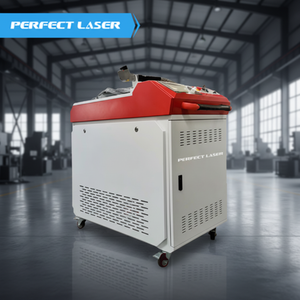
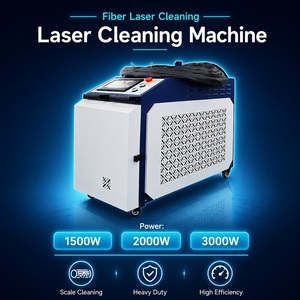
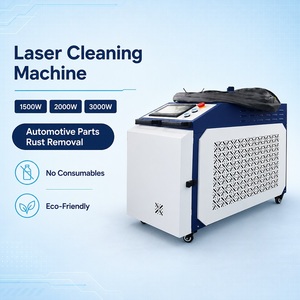
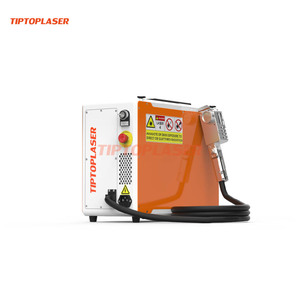
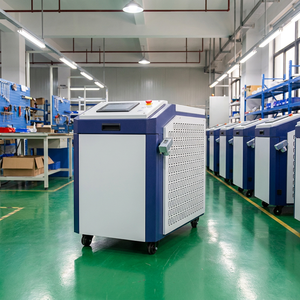
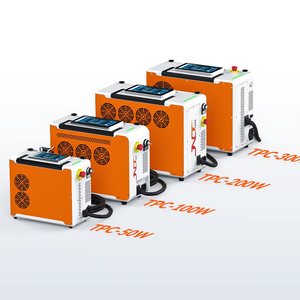
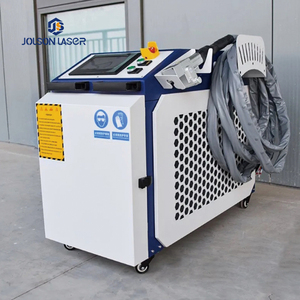
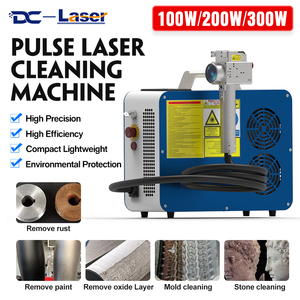
The industrial decontamination and surface preparation market is undergoing an unprecedented technological paradigm shift. Global manufacturing sectors—ranging from aerospace skin maintenance and automotive electric vehicle (EV) battery enclosure preparation to heavy steel shipbuilding and heritage masonry restoration—are aggressively phasing out chemical solvents, sandblasting, dry-ice blasting, and mechanical wire brushing. Driving this shift are stringent global Environmental, Social, and Governance (ESG) mandates, VOC emissions restrictions, hazardous chemical disposal compliance laws, and the total operational cost (TCO) advantage of eco-friendly photon-based decontamination solutions.
China has emerged as the global epicenter for industrial fiber laser cleaning technology manufacturing. Leveraging a robust domestic supply chain for high-power fiber laser sources (such as JPT, Raycus, and MAX Photonics), advanced dual-axis galvanometer scanner heads (including SUP22C platforms), and precision CNC motion gantries, top-tier Chinese laser cleaner factories provide world-class equipment that balances structural durability, electrical safety, optical power density, and cost efficiency. This comprehensive white paper serves as an engineering procurement blueprint for global plant managers, manufacturing executives, and procurement specialists seeking to navigate the Chinese laser cleaning machine manufacturing ecosystem.
Modern laser cleaning systems engineered by China's leading factories incorporate high-threshold fused silica protective optics, intelligent dual-wavelength feedback sensors, and water-cooled handheld laser heads (such as the SUP22C optical system) capable of sustained multi-kW continuous wave and high-peak pulsed laser delivery.
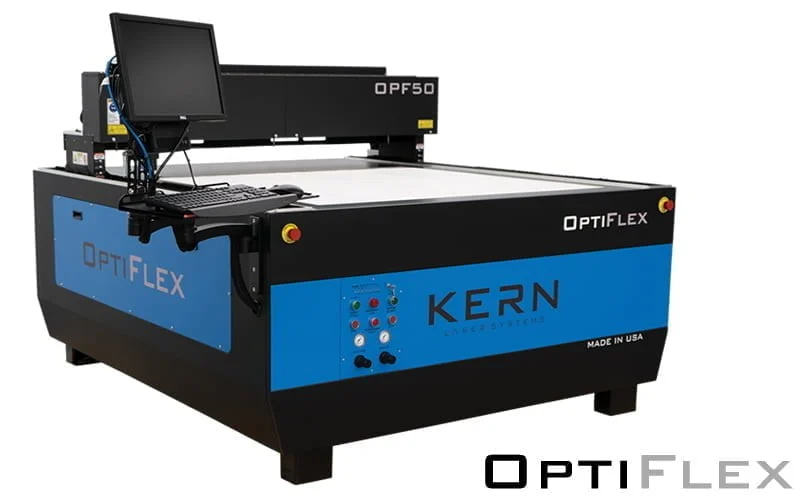
When sourcing equipment from China's best laser cleaner factories, procurement engineers must first delineate between two fundamentally different optical ablation technologies: Continuous Wave (CW) Fiber Laser Cleaners and Pulsed (MOPA / Q-Switched) Laser Cleaners. Selecting the wrong laser architecture for a specific industrial application can lead to thermal substrate deformation, micro-melting, or insufficient cleaning throughput.
| Performance Criterion | Continuous Wave (CW) Laser Cleaners | Pulsed (MOPA) Laser Cleaners |
|---|---|---|
| Power Range Availability | 1500W / 2000W / 3000W / 6000W | 50W / 100W / 200W / 300W / 500W / 1000W |
| Ablation Mechanism | Thermal Melting & Rapid Vaporization | Photothermal Ablation & Thermoelastic Shockwaves |
| Heat-Affected Zone (HAZ) | Moderate to High (Requires Substrate Thickness) | Ultra-Low / Negligible (Substrate Intact) |
| Best Applications | Heavy steel rust removal, thick paint stripping, hull cleaning, structural welds | Precision molds, aircraft skins, historical artifacts, wood paint removal, thin sheet metal |
| Substrate Compatibility | Heavy carbon steel, thick iron, cast iron structural elements | Aluminum alloys, stainless steel, wood, sandstone, rubber molds, sensitive composites |
| Consumable & Operating Cost | Electricity & Protective Optics (~$0.80 - $1.50/hr) | Electricity & Air Assist Filter (~$0.40 - $0.90/hr) |
Laser cleaning operates on the principle of selective photo-thermal and photo-mechanical ablation. When high-density laser radiation strikes a surface contaminant (such as iron oxide rust, acrylic paint, grease, or carbon deposits), the contaminant absorbs the energy instantaneously. The temperature of the contaminant surges past its vaporization point, or suffers rapid thermal expansion generating acoustic shockwaves that break the bond between contaminant and base material.
Because metallic substrates (such as steel or aluminum alloys) possess a significantly higher laser damage threshold ($J/cm^2$) and higher thermal reflectivity than organic paints or oxides, the underlying laser beam parameters (pulse duration, fluence, frequency, and scan speed) can be tuned to vaporize the unwanted layer entirely without melting the base substrate metal.
Modern Chinese laser cleaner original equipment manufacturers (OEMs) have moved far beyond low-cost assembling; they are currently at the forefront of optomechanical engineering, embedded software design, and safety automation.
Integrated with lightweight ergonomic housings, dual-axis galvanometer motors, and real-time beam monitoring. Enables 8 different wobble cleaning patterns (linear, circular, spiral, square) to prevent surface hot-spots.
Pulsed fiber lasers utilizing Master Oscillator Power Amplifier (MOPA) architecture allow independent adjustment of pulse frequency (1 kHz - 4000 kHz) and pulse duration (2 ns - 500 ns) for delicate surface polishing or paint stripping on wood and thin aluminum.
Compliance with international laser safety standards (IEC 60825-1, Class 4). Built-in conductive safety ground clips, emergency stop triggers, optical reflection sensors, and double-action trigger safety guards.
As global demand accelerates, international B2B buyers must evaluate prospective Chinese manufacturers using structured qualification metrics. Selecting a certified factory guarantees long-term spare parts availability, warranty enforcement, and technical support.
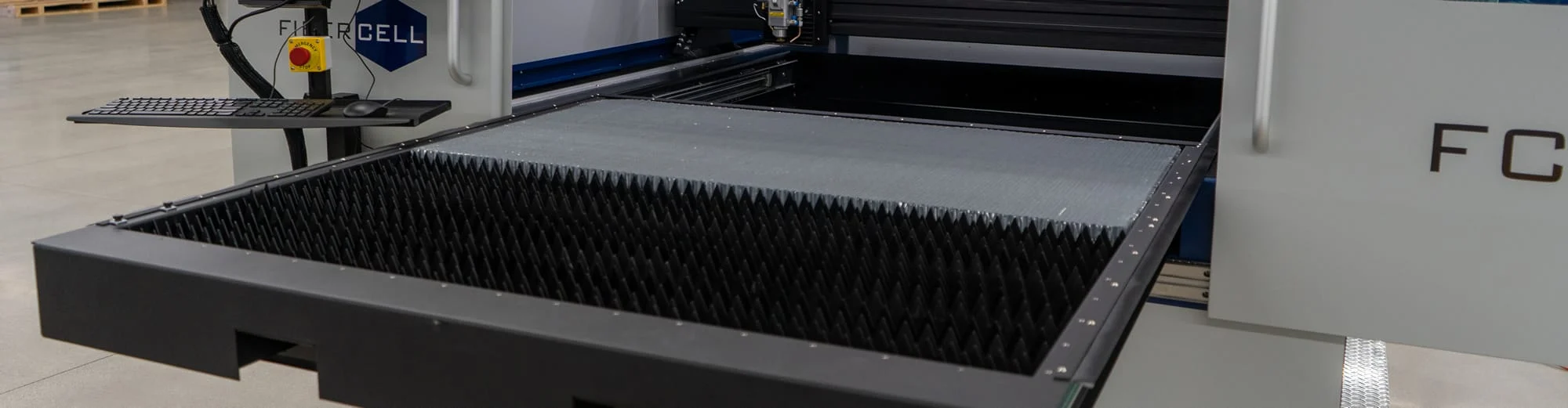
Procurement trends show a massive rise in demand for robotic laser cleaning cells. Chinese factories are now pairing 6-axis industrial robots (KUKA, ABB, FANUC) and CNC gantries with high-power pulsed fiber lasers to automate repetitive automotive weld cleaning, tire mold maintenance, and train axle oxide removal.
Addressing the technical, operational, and financial queries most frequently raised by international buyers and plant engineers during procurement.
No, provided the operational parameters (beam scan speed, wobble width, and laser power percentage) are tuned correctly. Metallic substrates possess high thermal conductivity and reflectivity compared to rust, oil, or paint coatings. However, on extremely thin sheet metal (< 1.5mm), CW lasers can induce minor thermal expansion. For ultra-thin metals or mirror-finish surfaces, a pulsed MOPA laser cleaner is recommended.
Industry-standard fiber laser sources (such as JPT, Raycus, or MAX) utilized by top Chinese factories have an MTBF (Mean Time Between Failures) rating of 100,000 working hours. Under standard industrial usage conditions with adequate maintenance (clean cooling water, dusting protective lenses), this equates to over 8–10 years of reliable continuous operation.
Laser cleaning reduces operating expenses (OPEX) by up to 85%. Sandblasting requires continuous purchasing, transport, recycling, and disposal of abrasive media (garnet, steel grit), alongside heavy PPE and waste containment systems. Laser cleaning requires zero consumable media—operating solely on low electrical power draw (~3–8 kW/h) and minimal protective glass lens replacements.
Yes. Pulsed laser cleaning machines (ranging from 100W to 300W pulsed power) can effectively strip varnish, oil paints, and coatings from hardwood furniture, antique building beams, and composite surfaces. Because short-pulse MOPA lasers emit energy in nanosecond bursts, thermal diffusion into the wood substrate is minimized, eliminating burning or charring.
For standard rust and paint removal, standard dry compressed shop air or optional nitrogen assist gas is blown through the laser head nozzle. The primary function of the gas is to cool the front protective lens glass and blow vaporized fumes away from the optical path. The only consumable parts are the inexpensive quartz protective lenses (typically replaced every 2-6 months depending on workplace dust levels).
All operators must wear certified laser safety eyewear rated for the specific laser emission wavelength (typically 1064nm OD6+ or OD7+). Additionally, operations should take place in a designated laser safety area with warning indicators or within an enclosed laser safety booth. Proper fume extraction hoods positioned directly at the cleaning point are mandatory to collect vaporized rust and paint particles.
Streamline your production line, eliminate chemical hazards, and upgrade your surface treatment infrastructure with direct factory pricing, customized optical configurations, and comprehensive international field support.