
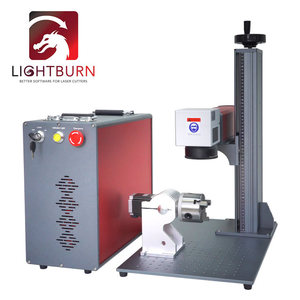

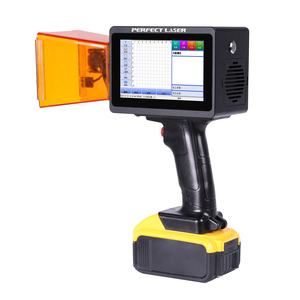

Dual Head Laser Architecture vs. Single-Beam Systems: Photonic Efficiency Analysis
In modern manufacturing ecosystems, production capacity constraints are frequently driven by cycle-time bottlenecks during component marking, deep engraving, and high-precision cutting. Conventional single-head galvanometric or portal systems dictate a linear throughput scaling model: doubling production requires purchasing, housing, and powering two independent machine frameworks.
CE certified dual head suppliers and exporters offer a structural leap in capital equipment efficiency. By deploying dual synchronised galvanometric heads or multi-source gantries—such as the OptiDual platform—manufacturers achieve parallel batch processing across a unified optical plane. Dual-head architecture operates via two primary configurations:
- Synchronized Parallel Processing: Two identical optical paths execute twin galvanometric vector jobs concurrently, doubling output per square meter of floor space without adding mechanical motion overhead.
- Hybrid Multi-Wavelength Engine: Integrating complementary optical sources (e.g., a 1064nm MOPA Fiber laser combined with a 10.6µm CO2 laser or 355nm UV laser) onto a dual-head gantry. This setup allows continuous processing of composite components—such as metal substrates with organic polymer coatings—without secondary handling or offline fixturing.