0%

Choosing a Foam Tool Kit Laser Cutter supplier is not just a price comparison. Buyers need to assess cutting accuracy, repeatability, extraction options, service support, and the machine’s ability to handle their specified foam. A clean sample matters. So does a clear test report.

The market context is encouraging, but it needs careful interpretation. Grand View Research estimated the global laser cutting machine market at USD 6.7 billion in 2023 and projected a 7.1% compound annual growth rate from 2024 to 2030. That figure covers many applications; it does not measure foam tool-kit cutters alone. It signals investment in laser equipment, not guaranteed demand for every supplier.

Laser pioneer Theodore Maiman is often credited with the line, “The laser is a solution looking for a problem.” For buyers, the reminder is useful: match the machine to the actual job. Ask suppliers for sample cuts, edge-quality images, material limits, and realistic throughput figures. A polished brochure is not enough. One awkward detail remains: supplier claims are difficult to compare when test materials and measurement methods differ. This guide to China’s top 10 suppliers therefore focuses on verifiable capabilities, practical support, and evidence buyers can request before making a decision. A shortlist is only a starting point.
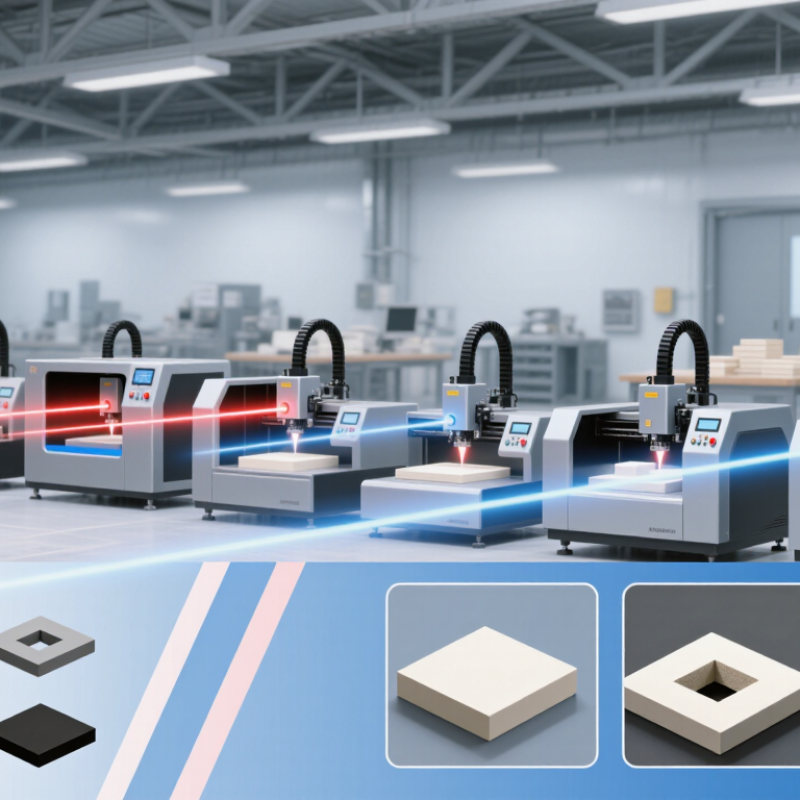
China Top 10 Foam Tool Kit Laser Cutter Suppliers

What Foam Tool Kit Laser Cutters Are and How They Work

Foam tool kit laser cutters are laser-cutting systems used to make fitted foam inserts for tool cases. They turn a digital layout into precise cavities for sockets, drivers, and other tools. The laser heats and removes material along each programmed path. The result can be a tidy outline, but foam density and composition affect the edge.

A typical workflow starts with measuring the case and arranging tool shapes in design software. The operator sets the cutting path, then tests it on a small piece of compatible foam. That test helps reveal scorching, loose edges, or a cavity that grips too tightly. Fit matters more. A socket should lift out without tearing the foam, while smaller bits should not rattle when the case moves.

Material choice and extraction are essential. Some foams can release harmful fumes or behave unpredictably when heated, so operators should use only materials approved for their equipment and follow its ventilation guidance. Keep the work area clear and inspect cut edges before placing tools inside. A neat insert is useful, but it is not automatically durable. I would recheck the fit after regular use; foam can compress, and a layout that looked perfect on screen may need adjustment.

Key Features and Applications of Foam Tool Kit Laser Cutters

Foam tool kit laser cutters combine a focused beam, a controlled cutting bed, and digital patterns to shape foam inserts with consistent cavities. Operators can adjust power and speed for different thicknesses, then test a small sample before production. That test matters. A cavity that looks precise on screen may grip a wrench too tightly after cutting. Narrow kerfs help preserve space between compartments, while camera alignment and exhaust systems support cleaner, more repeatable work. Grand View Research estimated the global laser-cutting-machine market at about US$5.2 billion in 2023 and projected a 7.7% compound annual growth rate through 2030.

Common applications include fitted cases for hand tools, foam drawer organizers, protective packaging, and custom maintenance kits. A laser can cut outlines for sockets, pliers, and small parts, making missing tools easier to spot. Grand View Research’s foam market report valued the global market at US$114.4 billion in 2022 and projected 4.8% annual growth through 2030, reflecting broad demand across foam-using industries. These figures describe wider markets, not laser-cut tool inserts alone. Material choice still needs care: verify foam composition, run a test cut, and use suitable fume extraction. Some foams cut unevenly or leave charred edges. It is not a perfect shortcut.

How to Evaluate Foam Tool Kit Laser Cutter Suppliers in China

When evaluating foam tool kit laser cutter suppliers in China, focus on the machine’s fit for your actual foam, not only its advertised power. Ask for a cutting test using your foam grade and thickness. Inspect the sample for clean edges, consistent slots, and minimal melting or compression. Small details matter. Request measurements from repeated cuts, since one polished sample cannot show day-to-day consistency.

Check the working area against your largest tool insert, and confirm the machine can hold the tolerances your kit requires. Ask about extraction, lens cleaning, maintenance intervals, and operator training. A supplier should explain material limits clearly and provide practical safety instructions. Review the warranty terms, spare-parts availability, and response process for technical questions. I would not treat a fast reply as proof of good support; ask for a written service timeline.

Tips: Send a drawing, target dimensions, and a labeled foam sample before requesting a quotation. Ask for a short video showing the test setup and finished pieces. Compare the evidence, not just the price. It can feel tedious, but skipping this check may cost more later.

Profiles of 10 Leading Foam Tool Kit Laser Cutter Suppliers in China

China’s foam tool kit laser cutter market includes suppliers with different strengths. These profiles describe common capabilities, not a verified ranking. A compact-machine supplier may suit workshops with limited floor space. A large-bed manufacturer can handle wider foam sheets with fewer repositioning steps. An automation-focused supplier may offer loading systems for repeat production. A fixture specialist can help secure irregular inserts during cutting. Small details matter.

A prototyping supplier may provide sample cuts before an order, letting buyers inspect clean edges and fit. A controls-focused supplier may offer adjustable speed and power settings for different foam densities. An extraction-system integrator can design airflow around the cutting area. An export-oriented supplier may support crating, installation guidance, and spare-part planning. A small-batch producer may be more flexible with custom dimensions, though lead times can vary.

An application-support supplier should ask about foam thickness, sheet size, and daily output before recommending a machine. Ask for proof. Request a test cut using the intended material, and check edge quality, repeatability, and extraction performance. Catalog claims alone are not enough; a polished brochure can still leave practical questions unanswered. Compare written specifications, service terms, and sample results before choosing a supplier.

How Chinese Suppliers Compare in Technology, Customization, and Support

For buyers comparing China’s foam tool kit laser cutter suppliers, the key differences often appear during a sample run, not in a product brochure. Some suppliers offer enclosed machines with camera alignment, extraction ports, and preset cutting profiles. Others focus on simpler systems that are easier to operate and maintain. Ask for a test using your actual foam type and thickness. A clean edge on one material proves little about another. Small details matter.

Customization can include bed size, fixture design, file compatibility, and adjustments for kit inserts. Share a drawing with dimensions and tolerances, then request a sample cut before approving production. Measure slot width and part fit; foam can compress, so a visually neat cut may still be too tight. I have seen specification sheets overlook this point. It is easy to miss.

Support varies just as much as machine features. Check whether setup guidance includes ventilation, focus calibration, and routine lens cleaning. Ask how quickly the supplier responds to technical questions and whether replacement parts are readily available. A clear troubleshooting guide is useful, but remote support cannot inspect every installation. Request written service terms and a realistic delivery schedule. Compare documented test results, customization limits, and after-sales procedures—not just advertised power or cutting speed.

FAQS

What does a foam tool kit laser cutter do?

It follows a digital layout to cut fitted cavities in foam. These cavities can hold sockets, drivers, pliers, and small parts.

How is a foam insert prepared?

Measure the case and arrange tool shapes in design software. Test the layout on a small piece of compatible foam. Test a scrap first.

How can I check whether a tool cavity fits?

The tool should lift out without tearing the foam. Smaller parts should stay in place when the case moves. Screen previews can feel reassuring, but they do not prove a good fit.

Why does foam choice matter?

Foam density and composition affect cut quality. Some materials may release harmful fumes or cut unevenly, so check that the foam is approved for your equipment.

What safety steps matter during cutting?

Follow the equipment’s ventilation guidance and use suitable fume extraction. Keep the work area clear, then inspect the cut edges before loading tools.

What are common uses for these cutters?

They can make fitted cases, drawer organizers, protective packaging, and custom maintenance kits. Clear outlines can also make missing tools easier to spot.

Why might a cut edge look charred or uneven?

Foam type, thickness, and cutting settings can affect the edge. Adjust power and speed, then test another small sample. It may still need tweaking.

What should I ask a supplier before buying?

Request a test cut using your intended foam. Check edge quality, repeatability, extraction performance, service terms, and written specifications. A polished brochure is not enough.

Conclusion

This article introduces the Foam Tool Kit Laser Cutter and explains how laser cutting systems process foam into precise, organized tool inserts and kit components. It outlines key features such as cutting accuracy, material compatibility, production efficiency, and design flexibility, along with common applications in tool storage, packaging, and customized foam layouts. Readers will also learn what to consider when assessing suppliers in China, including equipment capabilities, manufacturing experience, quality control, customization options, communication, and after-sales support.

The article then presents profiles of ten leading Chinese suppliers, focusing on their general strengths without relying on brand claims. A comparison of their technology, ability to tailor equipment and services to different production needs, and customer support helps readers understand how supplier offerings may vary. Together, these sections provide a practical framework for researching options and selecting a Foam Tool Kit Laser Cutter supplier suited to specific requirements, budgets, and production goals.

Ethan

Ethan

Ethan is a dedicated marketing professional with a strong understanding of the company’s products, services, and market environment. With a background in strategic communication, customer research, and content development, he transforms complex product information into clear, practical, and......