0%

Choosing China’s best Acrylic Laser Cutting Machine supplier requires more than comparing prices or advertised wattage. Acrylic behaves differently across cast and extruded sheets. A clean edge depends on material, thickness, focus, airflow, and cutting speed working together. Look closely at sample cuts, not just polished product photos. A glossy edge matters. So does a machine that repeats it on Monday morning.

Laser pioneer Theodore Maiman is widely credited with the caution, “A laser is a solution looking for a problem.” For buyers, that is a useful reminder: match the machine to real production needs. Ask suppliers to cut your own acrylic samples, including the thickest sheets you expect to process. Check the edge for haze, melting, and fine residue. Confirm the delivered machine’s working area, tube specifications, control system, cooling method, and extraction setup in writing.

Supplier evaluation should also cover operator training, spare-part availability, response times, and warranty terms. Request references from customers running comparable jobs, and ask how service issues were resolved. A low quote can hide costly downtime. A detailed specification can still leave unanswered questions. That is worth admitting. The strongest supplier is not automatically the largest or cheapest; it is the one that demonstrates consistent results and explains limitations plainly. This guide compares practical selection criteria, machine features, and support expectations to help buyers make a more informed decision.
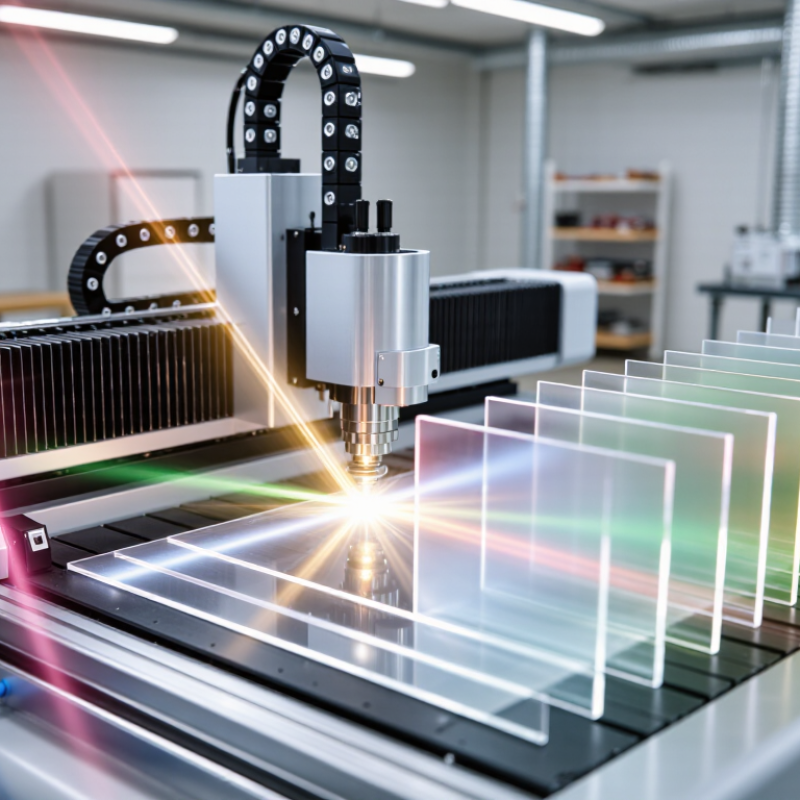
China Best Acrylic Laser Cutting Machine Supplier?

What Is an Acrylic Laser Cutting Machine?

An acrylic laser cutting machine uses a focused laser beam to cut or engrave acrylic sheets. The beam heats the material along a programmed path, melting and vaporizing a narrow section. Many industrial systems use CO2 lasers, which are well suited to common acrylic types. The result can be clean edges and detailed shapes. Quite precise. Yet finish quality depends on more than the machine: laser power, speed, focus, sheet thickness, and material grade all matter.

For example, a poorly focused beam may leave rough edges, while excessive heat can create unwanted marks or warping. Clear cast acrylic often engraves differently from extruded acrylic, so a small test cut is practical before production. Ventilation and suitable fire-safety measures are also essential because cutting acrylic produces fumes and heat. Operators should follow the machine maker’s instructions and keep the work area monitored.

A cut edge may look polished, but it is not guaranteed to be flawless. That distinction is easy to overlook.

A suitable machine is one whose working area, power, and controls match the material sizes and finish requirements used in daily work.

How Does Laser Cutting Process Acrylic?

Acrylic laser cutting uses a focused beam, commonly from a CO2 laser, to heat and remove material along a programmed path. The beam follows the design while a narrow kerf forms through the sheet. With suitable settings, the cut edge can appear clear and glossy.

Small details matter. Thickness, acrylic type, focus, and cutting speed all affect the finish. A setting that works on one sheet may leave roughness or excess melting on another.

Before production, an experienced operator checks the sheet and runs a sample cut. Protective film can help limit surface marks, but it should be used as directed for the material and machine. Effective fume extraction is essential because cutting acrylic produces fumes.

Test first. Cast and extruded acrylic can behave differently, so neither should be assumed to give the same edge quality at identical settings.

A capable supplier should explain its material options, sample-testing process, and quality checks. Even then, a glossy edge is not proof of a perfect cut; inspect dimensions, corners, and surface condition before approving a batch.

What Makes a Chinese Supplier Reliable?

China Best Acrylic Laser Cutting Machine Supplier?

What Makes a Chinese Supplier Reliable?

A reliable supplier proves performance with repeatable tests, not polished brochures. Ask for cut samples using your acrylic type and thickness, such as 3 mm cast and 10 mm extruded sheet. Check edge clarity, kerf width, and dimensional consistency under the same settings. Request the test parameters in writing. A sample without settings is hard to reproduce.

Quality systems offer useful evidence, but certification alone cannot guarantee a good machine. The ISO Survey 2022 reported 1,265,216 valid ISO 9001 certificates worldwide; treat this as context, then verify the supplier’s actual inspection records. Ask how technicians check laser alignment, motion accuracy, cooling, and exhaust before shipment. See the factory’s test process, if possible. Still, a tidy workshop does not prove long-term service quality.

The acrylic sheets market reached an estimated USD 4.4 billion in 2023, according to Grand View Research, which projected 5.3% annual growth from 2024 to 2030. That demand makes stable cutting results important for busy workshops. Ask for a clear spare-parts list, response times, and remote-support procedure. Check whether the manual explains lens cleaning and focus adjustment. A small omission matters. I would also ask for a sample cut after several hours of operation; it takes time, and not every buyer remembers to request it.

Which Machine Specifications Suit Acrylic Applications?

Acrylic cutting performance depends on sheet thickness, material type, and production volume. For many workshops, a CO2 laser is a practical choice because its wavelength is absorbed well by acrylic. A 60–100-watt tube can handle common sheet work, but the right power depends on thickness and desired speed. Thin signage may need less power; thicker panels often need slower, carefully tested passes. Test the cut.

Choose a bed size that fits your largest panels, with some room for positioning. A stable motion system and accurate focus help produce clean edges and consistent dimensions. Cooling capacity matters during long jobs, while effective exhaust removes smoke and reduces residue around the work area. Cast and extruded acrylic can behave differently, so settings that work for one sheet may leave rough edges on another. Edges matter.

Tips: Ask for a sample cut using your own acrylic thickness. Check edge clarity, corner quality, and whether small details remain intact. Confirm the machine’s usable work area, cooling requirements, and maintenance access before comparing specifications. A higher wattage rating is not always better; poor setup can still create melted corners or uneven cuts. Supplier claims deserve a practical test.

Which CO₂ Laser Power Suits Acrylic Cutting?

These figures are practical, approximate starting ranges for CO₂ laser systems: about 40–60 W for 3 mm acrylic, 60–80 W for 6 mm, 80–100 W for 10 mm, 100–150 W for 15 mm, and 150–180 W for 20 mm. Actual results depend on the acrylic type, optics, cutting speed, and machine setup. Confirm specifications with cutting tests before choosing a machine.

How Should Buyers Evaluate Suppliers and Compare Offers?

A supplier’s offer should be judged against your actual cutting work, not just its headline price. Ask for a test cut using your acrylic thickness, color, and sheet size. Inspect the edge for clarity, flame polishing, and melted residue. Small details matter. Request the machine’s working area, laser power, positioning accuracy, and expected cutting speed in writing. Confirm whether the quote includes a chiller, fume extraction, installation, training, and essential spare parts.

Tips: Send the same sample file and material specifications to every supplier. Ask each one to state cutting speed, expected edge quality, and any limits. Check warranty coverage and response times for technical support. A fast reply before purchase is useful, but it does not prove service will remain fast later.

Compare total operating costs, not only the machine price. Ask about tube or source life, lens replacement, electricity use, and maintenance intervals. Request a recent customer reference with similar production needs, if available. A low quote can still be sensible, but only when key equipment and support are clearly included. I would not treat one successful sample as proof of consistent output; repeat the test, and review the written terms before deciding.

FAQS

What does an acrylic laser cutting machine do?

It uses a focused laser to cut or engrave acrylic along a programmed path. The beam removes a narrow strip of material. Small details matter.

Why can laser-cut acrylic have clear edges?

Suitable settings can produce smooth, glossy edges. Focus, speed, sheet thickness, and acrylic grade all affect the finish. Results can vary.

Do cast and extruded acrylic cut the same way?

No. They can respond differently to identical settings. Run a small test cut before production, even if a previous sheet looked perfect.

What laser power suits common acrylic work?

A 60–100-watt CO2 laser can handle many common sheet jobs. The right power depends on thickness, speed, and the desired finish.

What should I check when choosing a machine?

Match its usable bed size to your largest panels. Check focus accuracy, motion stability, cooling capacity, exhaust, and maintenance access. More power is not always better.

How can I check a sample cut?

Inspect edge clarity, corners, dimensions, and small details. Look for roughness, melted areas, or warping. A glossy edge alone proves little.

What precautions are needed during acrylic cutting?

Use effective fume extraction and suitable fire-safety measures. Keep the work area monitored, and follow the machine’s operating instructions. Do not leave it unattended.

Can protective film prevent marks?

It may help limit surface marks when used as directed. Test it with the material and machine first; it is not a guarantee.

Conclusion

An Acrylic Laser Cutting Machine uses a focused laser beam to cut or engrave acrylic sheets with clean edges and precise shapes. During processing, the beam follows a programmed design while heat melts or vaporizes material along the cutting path. The result depends on factors such as acrylic type and thickness, laser power, cutting speed, focus, ventilation, and the accuracy of the motion system. Choosing suitable settings helps achieve consistent quality and reduce unwanted marks.

When considering a Chinese supplier, buyers can assess manufacturing experience, technical support, quality control, customization options, and the availability of operating guidance and spare parts. Compare machine specifications against intended applications, including worktable size, power range, positioning accuracy, cooling, and compatible software. Evaluate offers by checking what is included, delivery and service terms, warranty coverage, and whether the supplier can provide clear answers about performance and maintenance. A careful comparison helps match the machine to production needs and budget.

Ethan

Ethan

Ethan is a dedicated marketing professional with a strong understanding of the company’s products, services, and market environment. With a background in strategic communication, customer research, and content development, he transforms complex product information into clear, practical, and......